


.png)


.png)
.png)
.png)
Are electric cars expensive?
By SG Fleet | 17 March 2026
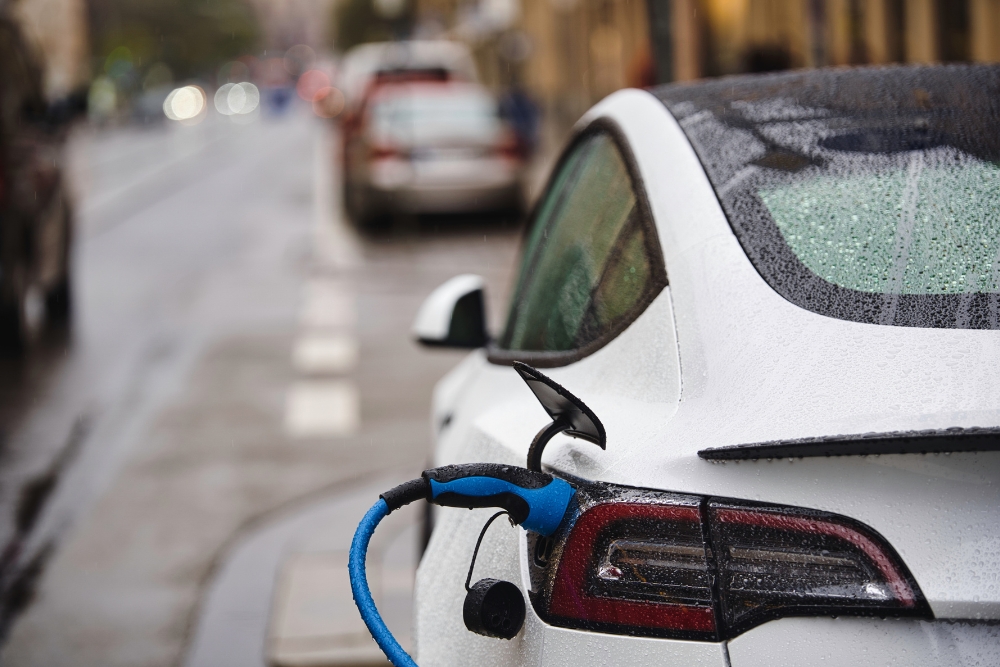
The stereotype that electric cars are a luxury purchase only suited to people with deep pockets has stuck around longer than it should have.
It made more sense in the early years of electric cars, when the options were limited and UK EV prices were eye-watering. But we're in a very different world now, and if you're still assuming that the cost of driving electric cars is out of reach, you could be missing out, particularly if you haven’t considered EV salary sacrifice schemes.
Are electric cars expensive to buy?
The honest answer is that it depends on how you look at it. The upfront list price of a brand-new electric car is sometimes higher than a comparable petrol or diesel equivalent, though this gap is definitely closing.
That's fair to acknowledge. But most people don't buy fleet or company cars outright, and when you factor in how EVs are actually funded and driven in the real world, the picture changes dramatically.
The difference that EV salary sacrifice makes
One of the biggest reasons that the cost of driving electric cars has become affordable is the growth of salary sacrifice schemes.
These let you lease an EV directly from your pre-tax salary, which means you pay less income tax and national insurance at the same time. This means that a car that looks expensive on a forecourt can end up costing significantly less per month than you'd expect.
The tax treatment for electric vehicles is particularly generous right now. Battery electric vehicles attract a Benefit in Kind (BiK) rate of just 4%, which is extraordinarily low compared to petrol or diesel cars.
That makes the company car tax you pay on an EV through a scheme almost negligible by comparison.
Your employer typically saves money too on national insurance contributions, which can often be passed back to you to bring the cost down further still.
EV running costs are much lower than petrol or diesel
Even if you accept that purchase or lease prices for electric cars can be comparable to their petrol counterparts, it's the EV running costs where things get seriously interesting.
Charging vs. fuelling
Electricity is cheaper per mile than petrol or diesel, and it’s not even close. Charging at home overnight using an off-peak tariff is typically a fraction of the cost of filling a tank.
For most drivers doing regular commutes and predictable routes, home charging covers the vast majority of their needs without any real inconvenience. Public rapid chargers cost more, but even then, the per-mile cost of driving electric usually comes out ahead of petrol across the course of a month.

Thinking about making the switch to EVs?
If you're an employee wondering whether an EV salary sacrifice scheme makes financial sense for you, we can run the numbers. Get in touch with the SG Fleet team today, and we'll show you exactly what you could save.
How do maintenance costs stack up?
It’s a more complicated picture where EV maintenance is concerned.
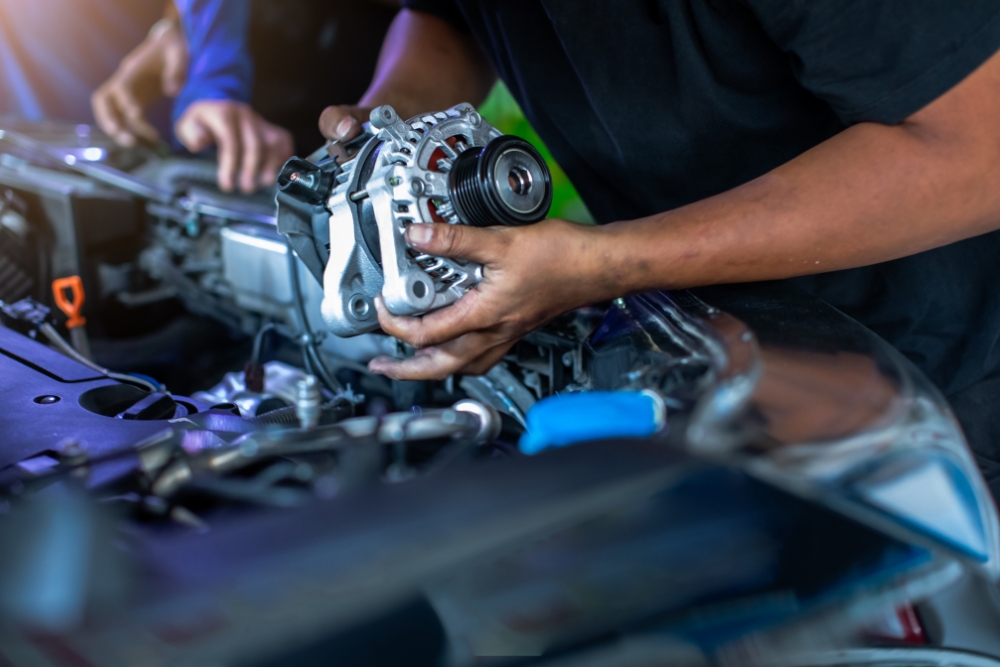
Generally, electric vehicles have far fewer moving parts than internal combustion engine cars. No gearbox, less complicated clutches, no exhaust system, and no cambelt. Brake wear is also reduced thanks to regenerative braking. What that means in practice is fewer scheduled services and often a more predictable whole-of-life cost for your car.
That said, it’s important to note that, when an EV does need repairing, it can be pricier. Parts aren’t yet as common, and the skills to carry out these repairs can be less common.
If you’re concerned about EV maintenance costs, then taking out a fully maintained solution like our own Novalease scheme gives you total peace of mind. All of your maintenance needs are bundled into a salary sacrifice scheme; you're typically covering servicing, tyres, breakdown cover, and road tax in one fixed monthly payment. That means you aren’t getting surprise bills or separate costs landing at inconvenient moments.
What about EV prices in the used market?
Residual values on used electric cars dropped sharply between 2022 and 2024, which was challenging for the industry but genuinely good news for drivers. You can now pick up a nearly-new electric car for considerably less than the equivalent new price, and a growing number of leasing providers, including SG Fleet, are offering used EV leasing options that put formerly premium models within everyday budgets.
The used EV market has matured rapidly.
Range on second-hand models is less of a concern than it once was, and battery health on most mainstream used EVs from reputable manufacturers holds up well. It is a real and increasingly popular option.
Ready to Find Out What an EV Could Cost You?
At SG Fleet, we offer two salary sacrifice schemes built around different needs.
Novalease is our zero-risk, off-balance-sheet option ideal for employers who want a fully managed solution with minimal admin.
Salarylease is designed for businesses that prefer to contract the vehicles directly, making it a natural fit alongside or in place of a traditional company car fleet. Both include one fixed monthly payment, no deposit or set-up costs, full life event protection, and a complete reporting suite covering payroll, P11D, ESG impact, and cost savings.
We're also the only UK provider that offers both personal and business lease-based salary sacrifice schemes, so whatever your situation, we have something that fits. Get in touch with the team today on 0344 85 45 100 or get in touch to find out which scheme works best for you.
FAQs
Are electric cars expensive to run in the UK?
No. Charging costs per mile are lower than petrol or diesel, maintenance is simpler with fewer moving parts, and road tax on zero-emission vehicles is favourable. On a salary sacrifice scheme, all running costs are typically bundled into one predictable monthly payment.
Are EV prices in the UK falling?
Yes. New EV prices have become more competitive as manufacturers scale production and respond to ZEV mandate targets. Used EV prices have also dropped significantly since 2022, making second-hand and used-lease electric cars a genuinely affordable choice for more drivers.
Is it cheaper to drive an electric car than a petrol car?
For most drivers, yes. Home charging is cheaper per mile than petrol, servicing costs are lower, and the 4% BiK rate for battery electric vehicles makes salary sacrifice schemes particularly cost-effective compared to an equivalent petrol car.
What are the main running costs of an electric car?
Electricity, tyres, and insurance are the main ongoing costs. EVs don't need oil changes, exhaust repairs, or cambelts. Many drivers on salary sacrifice schemes bundle servicing, maintenance, breakdown cover, and road tax into a single fixed monthly payment.