


.png)


.png)
.png)
.png)
Which electric fleet vehicles work best for you?
By SG Fleet | 12 December 2025
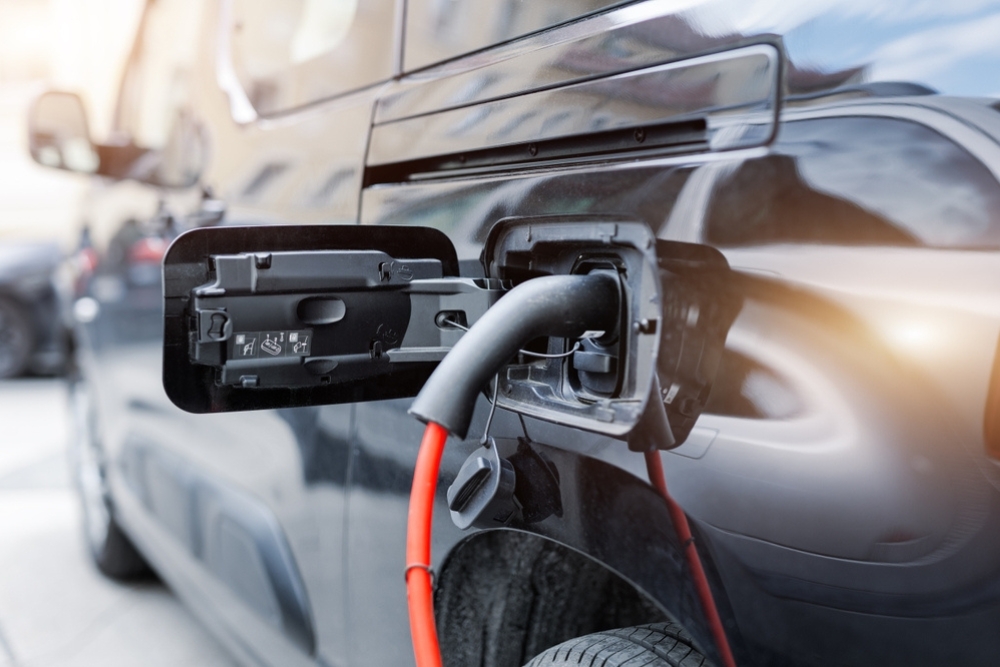
If you’re thinking about moving your business fleet in the direction of electric vehicles, it’s worth looking at which vehicles make the change easiest and most cost-effective. In our experience, some types of electric fleet vehicles are quick wins, while others need more groundwork. Let’s run through where electrification is most straightforward, where it gets trickier, and what you should think about if you’re planning an EV fleet transition.
Electric cars are the simplest switch for many fleets
For a lot of businesses, company cars are the easiest place to start. In 2024, new EV car registrations rose sharply. As of January 2025, the number of new cars sold in the UK reached 1.95 million, and nearly 20% of those were electric.
Modern battery-electric cars offer decent range, so they’re far more realistic for typical business journeys like commuter travel and client visits to be done comfortably without range anxiety. What’s more, if your drivers return home or to the depot overnight, you can often rely on business EV charging setups, which reduces the need for public charger use. Most businesses, this is the simplest form of EV charging for fleets and removes a lot of early friction.
Because there’s now solid availability of EV cars across different sizes and price points, electric cars tend to be the most straightforward way for a business to dip its toes into EV fleet transition and start building confidence in electric fleet vehicles.
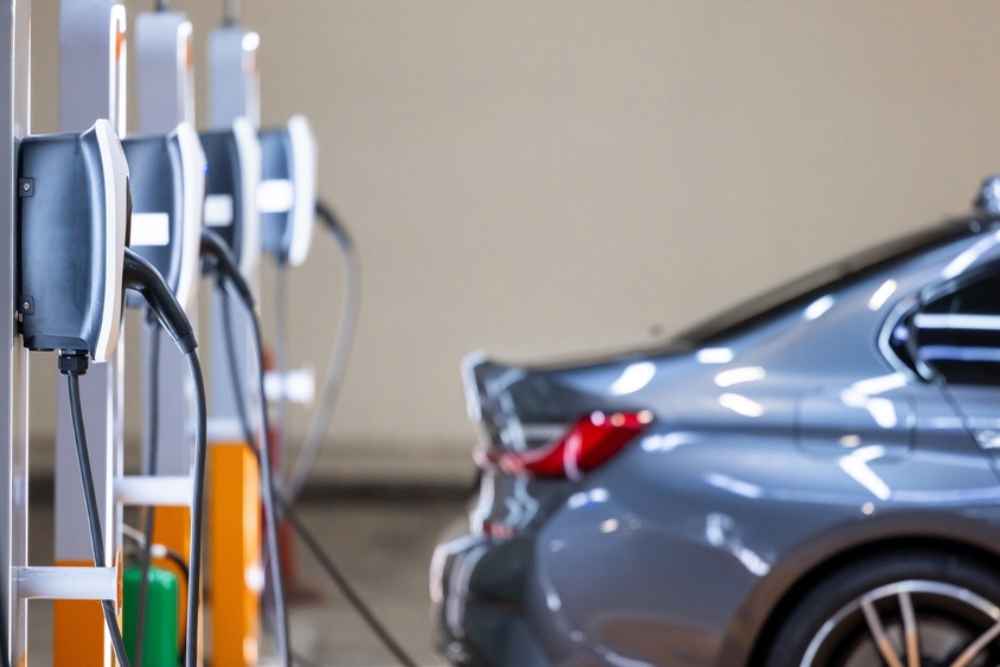
Light vans and LCVs need more careful planning
Where your business runs vans or light commercial vehicles (LCVs), the shift to electric vans makes a lot of sense. Across the UK, demand for electric vans is rising, especially as urban delivery and last-mile services expand.
Electric vans can reduce operating costs substantially when used on planned, repeatable routes inside a city or local area. For short-to-medium daily mileage, especially with return-to-base daily routines supported by reliable EV charging for fleets, they can be very practical electric fleet vehicles. That’s why three in four UK van drivers say EVs fit their business.
That said, vans place greater demands on range and charging flexibility. Charging downtime can impact productivity if not managed well. For an EV fleet transition involving vans or LCVs, success comes from matching the vehicle to the route and making sure your business EV charging setup fits the workload.
Range is a big talking point for electric vans.
The direction is encouraging, with the latest long-range electric models hitting the UK (like the Renault Trafic Electric) nudging the 280-mile mark. Others from Ford and Mercedes are hovering around the 250-mile range, too. This shows that manufacturers are clearly gearing up for fleets that rack up serious hours on the road.
For operators carrying out long, regional routes and nationwide jobs, range really matters. Couriers and delivery drivers can cover anything from 150 to 250 miles a day relatively easily, so the fact that electric vans are now pushing into territory that supports those patterns is a huge step forward. It means we’re getting to a point where electric vans are workable for the heavier-use end of the market, and can bring the benefits that they’ve already showcased so impressively in last-mile urban deliveries, for example.
Charging infrastructure is the bedrock of the EV fleet transition
Switching to electric fleet vehicles isn’t just about picking the right cars or vans. Without a reliable charging infrastructure, both at base and en route, even the best EVs can become a headache.
The UK public charging network is expanding fast, and there are now tens of thousands of chargers available nationwide. Rapid and ultra-rapid chargers have become more common. This helps when fleets occasionally need top-ups away from home. That growth has made EV charging for fleets more realistic in general, but especially for longer or more unpredictable journeys.
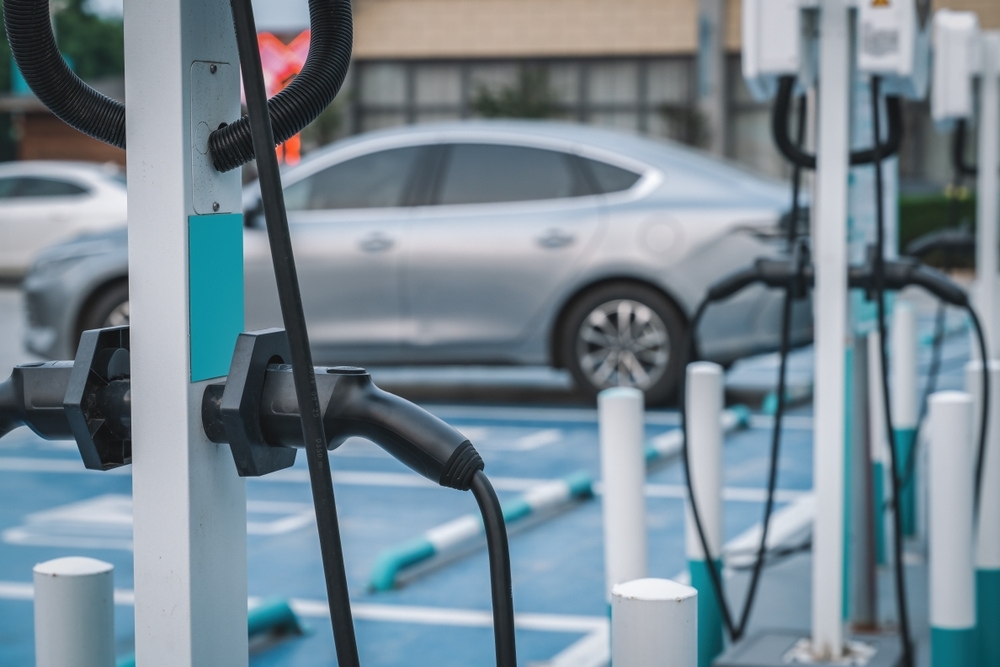
Still, the network is uneven.
Some regions have excellent coverage while others lag behind. This makes a strong internal business EV charging setup even more important. And because public charging can carry extra costs, keeping most of your charging internal can save a lot of money across an entire fleet.
A combined approach of depot chargers, home chargers, and public rapid chargers as backup tends to provide the strongest foundation for any EV fleet transition.
Picking the right electric fleet vehicles depends on use and infrastructure
Making the choice on which van or car is right for your business has to come from looking closely at your mileage, loads, parking habits and your business EV charging set-up. Those factors shape which vehicles genuinely fit into an EV fleet transition.
For cars, UK fleets could lean more towards models like the Tesla Model 3, Kia EV6, or the Hyundai Ioniq 5. These offer strong real-world range, sensible running costs, and good charging reliability. It’s benefits like these that are crucial when you’re covering regular regional routes, sales visits, or multi-stop days. Their efficiency also means fewer public top-ups, especially when paired with workplace or home-based EV charging for fleets.
The thinking is slightly different for vans and LCVs.
Choices like the Renault Kangoo E-Tech and the Nissan e-NV200 work well for businesses running planned routes, urban deliveries, or service calls. Their range suits predictable daily patterns, and when these vans return to base overnight, they slot neatly into a business EV charging routine without disrupting operations. The type of van matters too: a compact electric van is perfect for city work, while a medium electric LCV will give you better results in trades or heavier loads.
Infrastructure is the deciding factor.
A reliable mix of depot charging, home charging for eligible drivers, and occasional public rapid charging gives fleets the flexibility they need. Government reforms aim to capitalise on the fact that consistent access to charging is what unlocks the full value of electric vans and electric cars in a commercial setting. Having the right infrastructure in place means vehicles can charge when they’re not earning, keeping daytime availability high.
Looking for a partner to support your EV fleet transition?
If you’re ready to bring electric fleet vehicles into your operation, SG Fleet can guide your EV fleet transition with our award-winning eStart programme. We assess your goals, usage, costs, and sites to build a clear plan for business EV charging and long-term success.
For drivers, our partnership with Ohme supports drivers on our salary sacrifice schemes, giving them access to home charging and the option to bundle an Ohme charger into their monthly price. If you want EV charging for fleets or drivers to be simple, predictable, and cost-effective, get in touch with us today.
FAQs
Are electric fleet vehicles cheaper to run?
In many cases, yes. Electricity is usually cheaper than diesel or petrol, and servicing costs are often lower. The savings are strongest when most charging is done through controlled Business EV charging rather than public networks.
What type of charger does a business need?
It depends on your fleet. Many companies install a mix of standard workplace chargers for overnight use and rapid chargers for high-usage vans. The right balance supports smoother EV charging for fleets and avoids unnecessary downtime.
Do electric vans have enough range for daily routes?
Most electric vans comfortably cover typical city or regional routes. For long-distance or unpredictable journeys, planning your EV fleet transition around charging access and downtime becomes more important.
Can employees charge at home?
Yes, and many fleets benefit from this. Home charging can take pressure off depots and reduce running costs. It works well when paired with mileage tracking or reimbursement tools.