


.png)


.png)
.png)
.png)
Rethinking fleet communication for your drivers
By SG Fleet | 16 December 2025

Fleet communication rarely gets the attention it deserves. It’s sometimes treated as an operational detail; something that ticks along in the background. But when driver engagement breaks down, the impact is as immediate as it is expensive. Poor communication between the people behind the wheel and the people responsible for keeping vehicles safe, legal, and on the go isn’t something to take lightly.
Regulators have made it crystal clear that responsibility shouldn’t be siloed. Drivers and operators are expected to work together, with clear reporting, regular checks, and timely action. That expectation puts fleet communication firmly in the spotlight.

Where fleet communication usually breaks down
Most fleets don’t suffer from a lack of policies. More often than not, the issue is in how those policies are communicated, reinforced, and acted on day-to-day. Drivers are busy, routes change, pressure builds, and reporting slips down the priority list.
Over time, these small gaps can stack up.
Vehicles stay on the road longer than they should, and maintenance becomes reactive rather than planned. And, if your compliance records don’t tell the full story, it’s much harder to keep tabs on how severe these problems actually are.
From a driver’s perspective, communication can feel one-way and disconnected from the realities of the job. From a business’s perspective, it becomes harder to trust the data coming back. That’s why driver engagement matters as much as the systems themselves. Without buy-in, even the best processes aren’t going to give you consistent results.
Better driver engagement changes everything
Driver engagement is all about making fleet communication easier, clearer, and more relevant to the person behind the wheel when drivers understand why reporting matters and feel supported rather than policed, leading to behaviour changes.
UK research continues to show that safer fleets tend to have stronger communication cultures. Drivers who feel listened to are more likely to flag issues early. Early reporting means fewer breakdowns, fewer last-minute repairs, and fewer surprises when vehicles are inspected. It also builds a high level of trust. Drivers who see action taken on what they report are much more likely to engage.
The move towards automated fleet communication
One of the biggest changes in fleet communication over the last few years has been the shift towards automation. Automated driver communication tools for fleets are starting to remove the reliance on memory and manual follow-ups. Service reminders land at the right time, and inspection prompts arrive before the vehicle heads out. Reporting becomes regular and routine, rather than reactive.
Automation doesn’t replace human interaction, but it can support it. Instead of chasing paperwork or checking spreadsheets, fleet teams can focus on conversations that matter. Drivers get consistent prompts without feeling nagged, and everyone works from the same information, which reduces misunderstandings and missed steps.
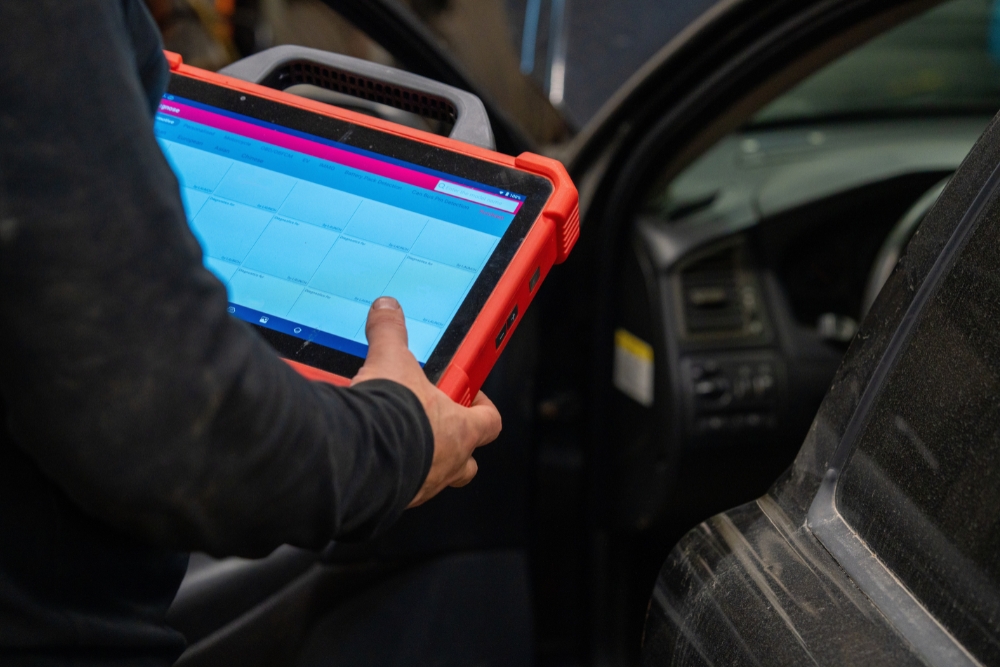
Making reporting simple and immediate
Friction is a major barrier to good fleet communication. If reporting a defect feels slow or complicated, it won’t happen consistently. Driver portals and apps remove that barrier by putting reporting tools directly in the driver’s hands without burdening them with overwhelming admin.
Simple, mobile-friendly reporting encourages faster action because a driver can flag an issue as soon as it’s noticed, not days later when they might have forgotten the details. Photos, notes, and timestamps create clearer records, which makes follow-up easier and fairer.
From a fleet perspective, this greatly improves visibility. Patterns emerge sooner, and repeated issues can be addressed properly rather than patched over. Driver engagement improves because communication feels practical rather than bureaucratic.
Communication shouldn’t stop once a report is submitted.
Feedback loops are another area where fleet communication often falls short. Drivers report issues and hear nothing back, so motivation fades. Closing the loop makes a huge difference, and a quick update on when a vehicle is booked in or why a decision was made reinforces trust. It shows that reporting leads to action. Over time, this builds a culture where communication actually feels useful rather than wasted effort.
Regular check-ins also matter. Not every issue needs to be escalated through a system; sometimes a quick chat uncovers operational pressures or training gaps that data can’t. As with all staff, strong driver engagement grows from a mix of digital tools and real human contact.
Training and incentives can support driver engagement
Training is at its most effective when it’s practical and ongoing. Short, targeted refreshers on inspections and reporting responsibilities tend to land better than long classroom sessions, and when training links directly to everyday tasks, you’ll likely find your fleet communication improves naturally.
Incentives can also play a role. Recognition for consistent reporting, safe driving or proactive behaviour reinforces the right habits. It’s not necessarily a case of heavy-handed schemes, but acknowledging that good communication takes effort and rewarding it fairly is a good step.
When drivers feel that engagement is valued, improving driver communication in fleets becomes a shared goal rather than a top-down demand.
Want a smarter way to manage your fleet communication?
Managing fleet communication doesn’t need to feel like a minefield. With a clear approach, transparent costs, and flexible solutions built around your real-world challenges, SG Fleet keeps you moving with confidence.
From bespoke approaches to in-life fleet management and tools that strengthen fleet communication, our focus is on clarity, value, and control. If unexpected costs, complexity, or our outdated processes are holding you back, it might be time for a change. Get in touch with us today, and let’s talk about how we can support your business and your fleet.
FAQ
Do drivers need extensive training to use new communication tools?
Generally no. Most modern systems are designed to be intuitive, reducing the need for lengthy training.
Can improved driver engagement reduce operational risk?
A culture of stronger engagement often leads to earlier reporting and fewer unexpected issues.
Is automation suitable for smaller fleets as well?
Automated driver communication tools for fleets can scale to suit operations of all sizes if you work with the right partner.
Do drivers need to report defects immediately?
Yes. UK guidance requires drivers to report any defects found during daily checks straight away, before the vehicle is used, so issues can be fixed and the vehicle kept safe and compliant.