







What the 2026 Autumn Budget means for UK fleets
By SG Fleet | 28 October 2026

The Chancellor delivered the Autumn Budget on 28 October 2026. If you’re asking what the Autumn Budget means for fleets, the short answer is a further extension to the temporary fuel duty cut until mid-2027, company car tax rates confirmed to 2030-31, benefits payrolling from April 2027 and modest new support for EV charging.
Here’s what changed, when it applies and what to do before you sign off next year’s fleet management and leasing budget.
At a glance:
- The 5p fuel duty cut now runs to 1 July 2027, with the planned inflation rise deferred to the same date.
- Company car tax rates for 2030-31 rise by one percentage point, taking zero-emission cars to 10%.
- Mandatory payrolling of company car, van and fuel benefits starts on 6 April 2027.
- Car salary sacrifice rules are unchanged, so electric cars remain highly tax-efficient for employees.
- Electric Vehicle Excise Duty is confirmed for April 2028, with fleet guidance due later this year.
Ready to plan your 2027 fleet costs?
The Autumn Budget provides fleets with greater visibility over company car taxation, which makes now the perfect time to stress-test funding and EV plans. Find out more about our eStart EV transition service or talk to our team today.
Fuel duty and mileage rates: relief until mid-2027
The government has to 1 July 2027 and pushed back the planned RPI increase to the same date. Diesel costs spiked above £2 per litre in October 2026; the relief is handy but the chances are that it’s temporary, so budget for a rise from July.
For employees using their own cars or vans for business travel (grey fleet), the 55p per mile rate for the first 10,000 business miles is being made permanent. The rate above 10,000 miles rises from 25p to 35p from 6 April 2027. Most HGVs also continue to pay the temporary £1 Vehicle Excise Duty (VED) rate introduced in July 2026, which applies to licences taken out until 30 June 2027.

Autumn Budget 2026 company car tax changes
BIK rates confirmed for 2030-31
The Budget sets Benefit in Kind percentages for 2030-31, one point above 2029-30 rates in every band:
- Zero-emission cars: 9% to 10%
- Cars emitting 1 to 50g CO2/km: 19% to 20%
- All other bands: up one point, capped at 40%
A four-year lease starting in spring 2027 now has known BIK rates for its full term, and electric cars keep a wide tax advantage over petrol and diesel.
Payrolling benefits from April 2027
Mandatory payrolling of company cars, vans, fuel and medical benefits goes ahead from 6 April 2027, as previously announced. The remaining benefits will then follow from 6 April 2028. Payroll teams will need accurate vehicle data for each pay period rather than once a year on the P11D.
The Van Benefit Charge and the car and van fuel benefit charges also rise with CPI from 6 April 2027.
2026 Budget salary sacrifice scheme impact
The Budget announcements have not resulted in any changes to car salary sacrifice rules. The Budget document does mention possible future reforms for ultra-low emission vehicles, but sets out no proposal or timetable, so there is nothing to act on yet.
An electric car through salary sacrifice is still one of the most tax-efficient benefits an employer can offer. Our employee car benefit schemes explain the difference between employer-contracted Salarylease and Novalease. Employees can model their savings with our tax calculator.
EV charging, VED and eVED
There was no budget announcement of a new purchase incentive for electric cars. Its EV measures focus on charging and future road tax:
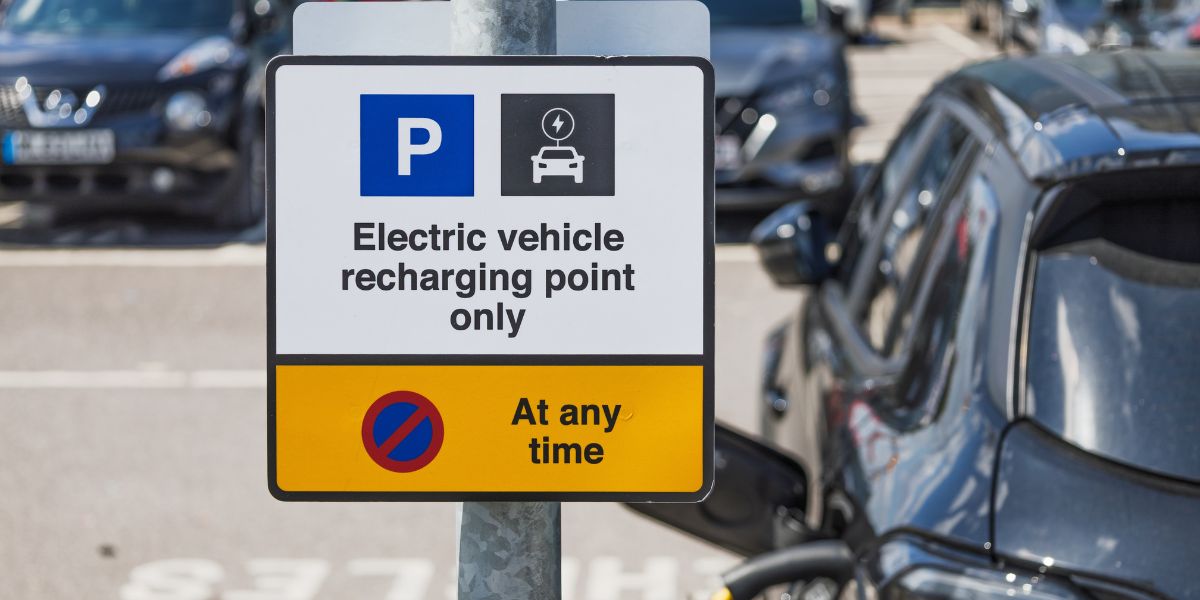
- Public charging: £100 million over two years to cut the cost of local, lower-powered public chargers from spring 2027, worth around £150 a year to drivers who charge on-street.
- VAT on charging: electricity from public chargepoints is confirmed as subject to 20% VAT from 1 November 2026. Businesses providing or recharging workplace charging should check the VAT treatment applicable to their specific arrangements.
- VED: car and van rates rise with RPI from 1 April 2027, with no structural change.
- eVED: the mileage-based charge for battery-electric, hydrogen fuel cell and plug-in hybrid cars is confirmed for April 2028. The initial charge will be 3p per mile for battery-electric and hydrogen fuel cell cars and 1.5p per mile for plug-in hybrids. Further operational guidance for fleet operators is expected later this year.
A response to the Zero Emission Vehicle Mandate consultation is expected by the end of 2026. Drivers new to electric can find practical guidance in our understanding electric vehicles hub.
Capital allowances are a good reason to revisit funding
From April 2027, the main-rate writing-down allowance for qualifying plant and machinery falls from 14% to 12%, while the main-rate first-year allowance rises from 40% to 50% for spending from 1 January 2027. How this applies to vehicles depends on the vehicle type, its emissions and how it’s funded, so it’s worth reviewing purchase, finance and contract hire with your tax adviser.
Fleet budget planning after the Autumn Budget
- Model fuel at current duty to July 2027, then build in a rise.
- Review mileage policies before 6 April 2027 to reflect the new 35p approved rate above 10,000 business miles.
- Prepare payroll systems and vehicle data for April 2027.
- Use the confirmed BIK rates to compare EVs, hybrids and cash allowances.
- Factor eVED into whole-life costs for EVs on fleet from 2028.
Plan your next fleet budget with SG Fleet today
SG Fleet has helped UK businesses manage fleet costs for over 30 years. Our fleet management and leasing service matches funding to your cash flow and tax position, and eStart builds a phased, data-led EV transition plan.
Our bespoke Novalease and Salarylease schemes help you offer tax-efficient electric cars to employees. If the Budget has raised questions about next year’s costs, get in touch with our team for a clear, no-obligation review.
FAQs
What does the Autumn Budget mean for fleets in 2027?
It means lower fuel duty until 1 July 2027, mandatory payrolling of company car benefits from 6 April 2027 and RPI-linked VED rises from 1 April 2027. Company car tax rates are also confirmed up to 2030-31.
Did the 2026 Budget change the company car tax?
Yes, it set rates for 2030-31. Zero-emission cars rise from 9% to 10%, and cars emitting 1 to 50g CO₂/km rise from 19% to 20%, with other bands up one point to a maximum of 40%.
Has the Budget changed salary sacrifice for electric cars?
No, car salary sacrifice rules are unchanged. The Budget referred to potential reforms for ultra-low emission vehicles but gave no detail or timetable.
When does the pay-per-mile charge for electric cars start?
Electric Vehicle Excise Duty starts in April 2028 and covers battery-electric, hydrogen fuel cell and plug-in hybrid cars. The initial charge is 3p per mile for battery-electric and hydrogen fuel cell cars and 1.5p per mile for plug-in hybrids, with further guidance for fleet operators expected later this year.