


.png)


.png)
.png)
.png)
Where fleet efficiency gains are really coming from right now
By SG Fleet | 28 August 2026

Ask most businesses how to improve fleet efficiency and they'll talk about the vehicles. It might be newer models, better MPG or going electric.
But the fleets making real savings this year are looking somewhere else first: how well they use what they already have.
Fleet efficiency gains today are coming from three places: better utilisation of existing vehicles through tools like Bookingintelligence, less downtime and smarter use of the data most fleets already collect but rarely act on.
None of that requires buying a single new vehicle. It's a shift from asking "what should we drive?" to "how well are we driving what we've got?"
It's the same thinking behind our own approach to fleet management and leasing: understand the fleet properly before you change it.
Key takeaways
- Fleet efficiency gains are being driven more by operational improvements than by vehicle replacement.
- Better utilisation of vehicles you already own is one of the fastest ways to cut costs.
- Downtime, not fuel or depreciation, is often the biggest hidden drain on a fleet budget.
- Telematics data only helps if someone actually acts on it.
- EV transition and salary sacrifice still matter, but work best once the basics are in place.
Want a clearer view of your own fleet's efficiency?
A short conversation with our team can show you exactly where your fleet is losing money, and where it isn't. Learn more about who we are and how we work, or get in touch with SG Fleet directly and we'll talk you through what a full fleet review could uncover.

Fleet efficiency gains aren’t just about the vehicles anymore
Vehicle-led strategies, new models, EV switches, and fleet downsizing still have their place. But they're expensive and slow to deliver a return.
Businesses are now asking a more basic question: what makes a fleet operation efficient in the first place? Usually, the answer isn't the vehicles at all. It's whether they're being used properly.
Idle vehicles, duplicated journeys, poor visibility of who's using what and unplanned downtime cost most fleets more over a year than the difference between one engine type and another. A pool car that sits unused three days a week, for example, still carries lease costs, insurance, and depreciation every single day, whether it moves or not.
The real levers behind fleet efficiency gains
Getting more from the vehicles you already have
Utilisation is one of the simplest answers to how companies improve fleet efficiency without spending more. Many fleets carry more vehicles than they need. Nobody has clear visibility of who's using what, or how often, so the extra vehicles never get questioned.
Tools that let teams book and track shared vehicles, like SG Fleet's Bookingintelligence platform, often expose this gap immediately. Once utilisation is visible by cost centre, department, or driver, decisions about right-sizing a fleet become far less risky. A business might find it needs two fewer vans than it thought or that one site is carrying vehicles another site could use instead.
Hybrid working has made this worse for a lot of businesses. Fleets built for five days a week in the office are now serving a workforce on the road two or three days a week, and nobody's gone back to check whether the vehicle count still matches demand. A proper utilisation review usually catches this within weeks, not months.
Cutting downtime before it costs you
If you're looking at how to reduce fleet downtime, start by treating maintenance as proactive, not reactive. Downtime is a strong answer to what reduces fleet operating costs beyond vehicles, because it hits the business no matter what's in the fleet.
Recent research from Mercedes-Benz Vans put the cost of van downtime in the UK at £1,172 a day, with the average fleet losing over six days to disruption in the past year. That's money lost before you even factor in the repair bill, a replacement hire, or a missed customer appointment.
Scheduling maintenance around real usage data, rather than fixed calendar intervals, catches problems early.
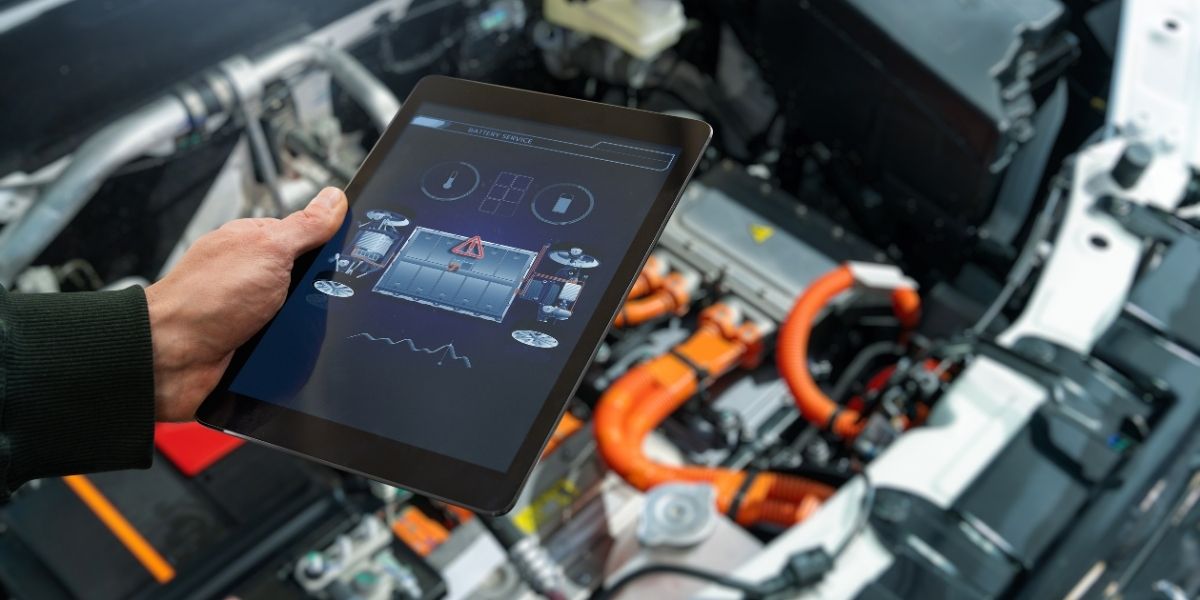
SG Fleet's Fleetintelligence platform and our in-house telematics solution Motrak flag warning signs, like unusual fuel consumption, harsh braking, or excessive idling, before they turn into a breakdown. Motrak also supports in-vehicle CCTV, which helps resolve incidents faster and get a vehicle back on the road sooner after a dispute over fault.
Making driver behaviour work in your favour
Driver behaviour affects both cost and vehicle condition. Harsh acceleration, excessive idling and poor route planning all quietly inflate fuel and maintenance spend, and accelerate wear on tyres and brakes. Feeding driver-level data back into coaching, rather than just collecting it and filing it away, is one of the most underused ways to reduce running costs without touching the fleet itself.
A short, focused conversation with a driver flagged for harsh braking often costs nothing and pays for itself within weeks.
Data and technology are a multiplier, not a solution
Telematics, dashboards, and reporting suites are now standard across UK fleets. But data alone doesn't save money. It only works if it turns into weekly or monthly action: adjusting routes, retraining drivers, rescheduling maintenancenand reallocating underused vehicles. A dashboard nobody looks at is just another subscription cost.
This is where a proper fleet management and leasing review earns its keep. In our own client work, a full strategic fleet review has helped one client cut overall fleet costs by 12% while significantly reducing admin time and achieving a 10 out of 10 customer satisfaction score. Another client moved from outright vehicle purchase to a bespoke funding structure and saved 17%, without changing a single vehicle on the road.
Where EV transition and salary sacrifice fit in
Vehicle strategy still matters; it’s just not the be-all-and-end-all.
EV transition and salary sacrifice remain two of the biggest long-term efficiency opportunities for UK fleets. But they work best once the operational basics, utilisation and downtime, are already under control.
Our eStart programme plans EV transitions around real lease-end dates and site readiness, rather than a blanket switch-over, so charging infrastructure and vehicle rollout line up properly. And our salary sacrifice schemes, Novalease and Salarylease, have made us the WSB Car Scheme Provider of the year two, years running.
A well-planned electrification strategy delivers far more value to a fleet that already understands its own utilisation and downtime than one that doesn't.
Ready to find your fleet’s hidden efficiency?
Fleet efficiency gains come from understanding your fleet properly, then acting on what you find. Whether that's a full strategic review, better visibility of vehicle utilisation, or a smarter approach to maintenance and downtime, we're here to help. Get in touch with our team and we'll talk you through what's realistic for your fleet.
FAQs
How do companies improve fleet efficiency without buying new vehicles?
Companies improve fleet efficiency mainly by improving how existing vehicles are used: increasing utilisation, cutting downtime through proactive maintenance, and using telematics data to coach driver behaviour. These changes cost far less than fleet replacement and usually deliver savings faster.
What reduces fleet operating costs beyond the vehicles themselves?
Downtime, poor utilisation, and inefficient driver behaviour are the biggest non-vehicle costs in most fleet budgets. Addressing these through better scheduling, real-time data, and driver coaching can lower operating costs without changing the fleet's makeup.
How can businesses reduce fleet downtime?
Fleet downtime is reduced by moving from reactive to proactive maintenance: using telematics and usage data to service vehicles before problems occur, rather than on a fixed calendar. Early warning signs, like irregular fuel consumption or driving patterns, can flag issues before they cause a breakdown.