


.png)


.png)
.png)
.png)
World Day for Safety & Health at Work: Avoiding common fleet accidents
By SG Fleet | 17 March 2026
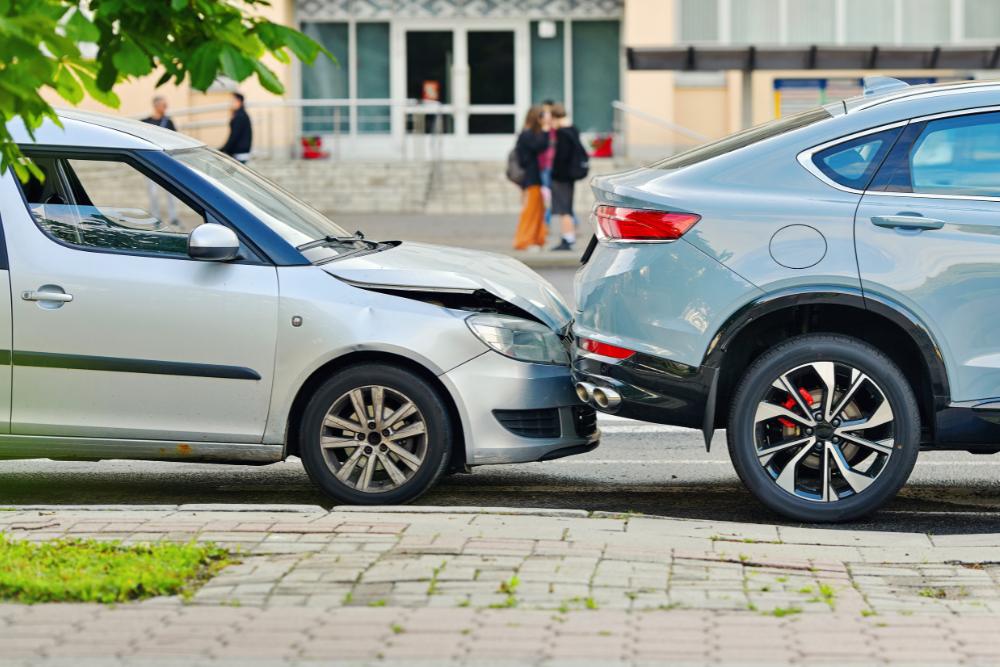
Low-speed fleet accidents aren’t often dramatic incidents, but if they happen regularly, they can become a major issue for your fleet management framework.
Car accidents that occur at low speeds make up a large share of claims. Rear-end shunts, reversing collisions and tight-space bumps cost you time, money and vehicle downtime.
We thought that World Day for Safety and Health at Work is the right time to take a step back and look at why these fleet accidents happen so often and what practical steps you can take to reduce them.
We believe that preventing most of these incidents doesn’t require slowing your operation down. It’s actually about removing the small risks that build up during everyday driving.
Why do low-speed incidents dominate fleet accident reports?
Serious road collisions tend to happen at speed. But the majority of fleet accidents occur right at the opposite end of the scale.
They happen when vehicles are manoeuvring, stopping, parking or navigating busy urban streets.
The typical day for a fleet driver focuses on deliveries, customer visits, tight streets, crowded depots, and busy car parks. Drivers are constantly stopping and starting, reversing into spaces, or pulling away in slow-moving traffic.
It stands to reason that these environments increase the risk of low-speed fleet accidents.
Small fleet accidents can have big operational costs
A low-speed bump might look minor, but for fleets it quickly adds up.
Even a small collision can mean:
- Vehicle repairs
- Insurance claims
- Lost working hours
- Vehicle downtime
- Admin time handling incidents
When it happens regularly across a fleet, the impact becomes severe, which is why vehicle safety has to be taken seriously at all speeds, not just when there's a risk of life or serious injury.
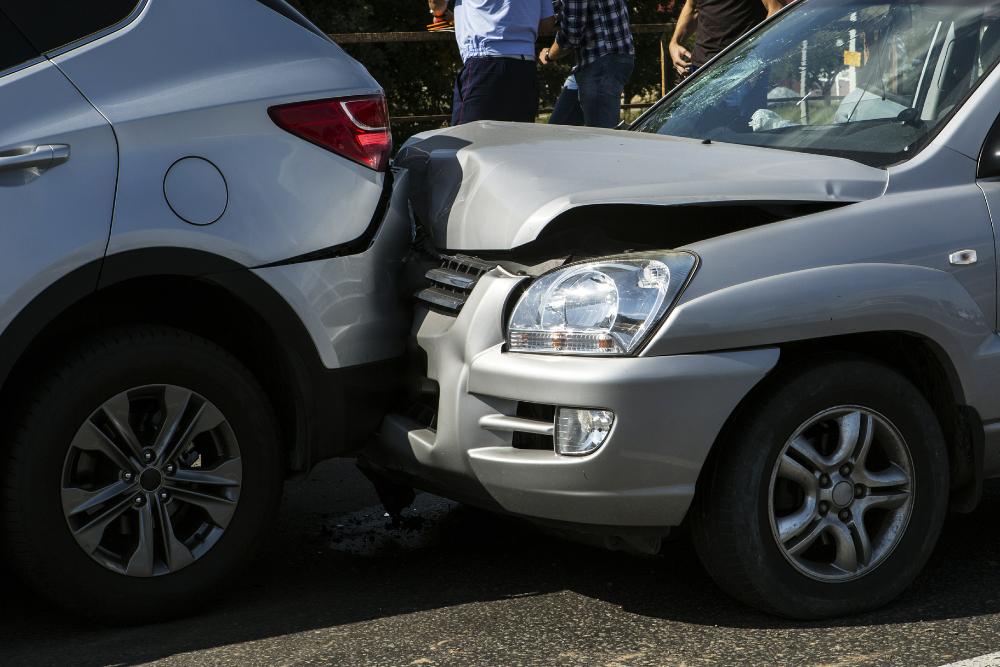
Rear-end collisions in slow traffic
Rear-end collisions are one of the most common types of car accidents across the UK.
More often than not, they happen in heavy traffic or stop-start conditions where drivers begin to close the gap between vehicles. Through the course of a journey in these conditions, the safe stopping distance shrinks, reactions become tighter, and one sudden brake can lead to a bump.
When fleet drivers are spending long hours on the road, fatigue and routine can also creep in. Drivers become comfortable with the traffic pattern and can easily react a fraction of a second too late.
How to reduce the risk of rear-end collisions:
Try encouraging your fleet drivers to:
- Maintain safe following distances, even in slow traffic
- Anticipate braking patterns ahead
- Avoid distractions inside the vehicle
- Take regular breaks to stay alert during long driving periods
You can also make use of telematics insights to highlight braking behaviour and following distances, giving drivers clear feedback.
Looking to reduce fleet accidents and improve vehicle safety?
At SG Fleet, we combine expert support, telematics insights, and tailored fleet strategies to help organisations run safer, more efficient fleets every day. Get in touch to find out more
Reversing collisions and blind spots
Reversing is another major contributor to low-speed fleet accidents.
When visibility is limited, obstacles can seem to appear suddenly, especially when drivers are manoeuvring in tight or unfamiliar spaces.
Depots, loading bays, car parks and residential streets all create situations where reversing becomes unavoidable but still presents a risk. Even experienced drivers can misjudge angles or miss an obstacle in their blind spot.
How to reduce the risk of reversing collisions:
The key to improving vehicle safety when reversing is consistency. Encourage drivers to pause and assess the area before reversing, and promote slow and controlled manoeuvres.
It’s also worth encouraging the use of reversing cameras and sensors where possible and designing your car park or depot layout to minimise the need for reversing.
How fleet data helps prevent accidents
Modern fleet management tools make it much easier to spot patterns in driver behaviour. Telematics systems like our own Motrak solution can highlight things like harsh braking, sudden acceleration, frequent reversing events, and locations where incidents are more likely to happen.
Instead of reacting after an accident has already occurred, fleet managers can use this insight to identify trends early and step in with guidance or support before problems develop.
Building a safer fleet culture
Reducing fleet accidents often comes down to culture rather than rules. Policies and technology play a crucial role, but real change happens when safe driving becomes part of everyday behaviour across the fleet.
Drivers who understand why safety matters are more likely to slow down when manoeuvring, take an extra moment before reversing, and maintain safe distances in traffic. These small decisions are exactly what prevent many low-speed fleet accidents.
Creating that mindset takes consistent communication and support.
When safety is regularly discussed and reinforced, it becomes part of how drivers approach their work rather than something they only think about after an incident.
Want to improve driver safety and reduce fleet accidents?
Speak with SG Fleet to see how our fleet management, leasing, and mobility solutions can support safer, more efficient operations. With over 30 years of experience, SG Fleet provides tailored fleet outsourcing, telematics through Motrak, downtime support, and maintenance cover to help businesses stay in control of their vehicles.
FAQs
What are the most common fleet accidents?
The most common fleet accidents involve low-speed impacts. These include rear-end collisions in slow traffic, reversing accidents, and bumps while manoeuvring in car parks or depots.
Why are low-speed fleet accidents so common?
Drivers spend a large portion of their time stopping, parking and manoeuvring in tight spaces. Limited visibility, distractions and time pressure all increase the likelihood of low-speed fleet accidents.
How can fleets reduce reversing accidents?
Encouraging drivers to check their surroundings before reversing, using reversing cameras or sensors, and designing parking areas that reduce reversing all help improve vehicle safety.
Does telematics help prevent fleet accidents?
Yes. Telematics systems can identify risky driving behaviours such as harsh braking or sudden acceleration. Fleet managers can use this data to coach drivers and reduce accident risk.
Do safety improvements slow fleet productivity?
In most cases, improving vehicle safety actually improves efficiency. Fewer accidents mean less downtime, fewer repairs and fewer operational disruptions.