


Hyundai STARIA Load Hybrid: The case for hybrid in modern fleet operations
By SG Fleet | 08 October 2026
Insights from:
Bryce Grove | National Manager, Trade Operations NZ, SG Fleet
Craig Porter | General Manager, Commercial Fleet, Client Relationships, SG Fleet
Michael Walsh | State Manager, Client Relationships – WA, SG Fleet
Damian Prescott | Fleet Sales Manager, Hyundai
For many fleet operators, the journey towards lower emissions is already underway. The challenge is determining which technology best aligns with operational requirements today.
While fully electric commercial vehicles continue to gain momentum, different fleet applications call for different solutions. Route variability, vehicle utilisation, charging access and flexibility across the workday all have a role to play.
That's where the Hyundai STARIA Load Hybrid enters the conversation.
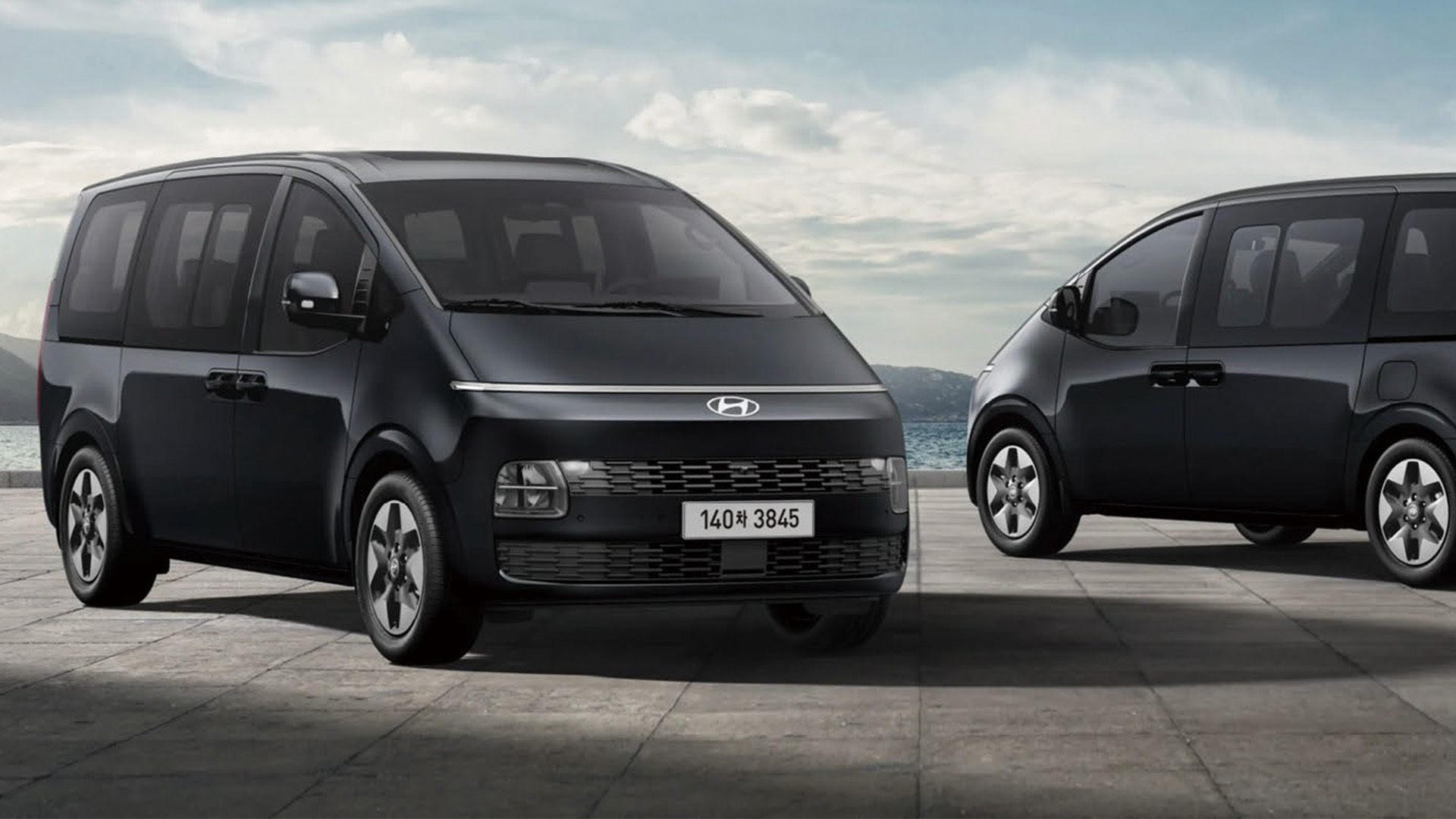
As one of the first hybrid offerings in the commercial van segment, the STARIA Load Hybrid combines the practicality businesses expect from a working van with the efficiency, comfort and technology increasingly expected across modern fleets.
So, where does the hybrid make sense in today’s fleet mix, and what does the STARIA Load Hybrid bring to the table?
A new approach to commercial mobility
The latest STARIA Load introduces Hyundai's new hybrid powertrain to the range, giving fleets another alternative alongside traditional diesel and fully electric commercial vehicles.
For Damian Prescott, Fleet Sales Manager at Hyundai, the new drivetrain is one of the vehicle's standout features:
"The new Hybrid drivetrain is so quiet, smooth to drive, and has great fuel consumption. People forget how car-like the STARIA Load drives until they get back in one. Bums in seats will sell this vehicle."
That passenger-car-like experience has become a defining characteristic of the STARIA Load and is particularly relevant for businesses considering driver comfort alongside day-to-day commercial requirements.
Built for real-world fleet requirements
The STARIA Load Hybrid combines its hybrid efficiency with the payload, cargo space and flexibility required across a broad range of fleet applications:
Powertrain
- 1.6-litre T-GDi Hybrid powertrain
- Combined output of 180kW
- 304Nm torque
- 6-speed automatic transmission
- Front-wheel drive configuration
Efficiency
- Combined fuel consumption of 6.5L/100km
- CO₂ emissions of 147g/km
- 65-litre fuel tank
Cargo and capability
- Up to 1,039kg payload capacity
- 4,935 litres of cargo volume
- 2,607mm cargo length
- 1,640mm cargo width
- Dual sliding side doors
- Liftback or twin-swing rear-door options available
Together, these place the STARIA Load Hybrid firmly in the conversation for businesses looking to combine commercial capability with the benefits of hybrid technology.
Which fleets is it best suited to?
Bryce Grove, our National Manager, Trade Operations NZ, sees a particularly strong fit for the STARIA Load in urban areas.
"The Hyundai STARIA Load Hybrid is best suited to urban and metropolitan fleets that undertake frequent stop-start driving; such as service technicians, facilities maintenance providers, healthcare, community support services, trades and light courier operations."
It’s in those operating environments that the hybrid powertrain can come into its own, particularly for fleets spending a significant proportion of their workday moving through city traffic.
As Bryce explains:
"The hybrid powertrain provides reduced fuel consumption, lower emissions and a more refined driving experience without the charging infrastructure requirements of a full EV."
Similar opportunities exist across a range of commercial operations. Craig Porter, our General Manager, Commercial Fleet, Client Relationships, sees strong potential for businesses undertaking shorter journeys in high-density urban areas.
"Electrical contractors, plumbers and last-mile delivery operators are all strong examples of where hybrid technology can deliver value, particularly where vehicles spend a lot of time operating in residential or commercial traffic environments."
Different businesses, but a similar operating pattern, and that’s ultimately where the case for hybrid becomes most tangible.
Designed around the driver
If there’s one theme that comes through consistently from those who have spent time in the STARIA Load, it’s how little it feels like a traditional commercial van.
The latest model introduces a significantly updated interior designed to feel more contemporary, connected and user-friendly. According to Damian, Hyundai has focused heavily on the features drivers interact with throughout the day.
Key upgrades include:
- New dashboard design with increased storage
- Larger multimedia display
- Improved instrument cluster
- New centre console design
- Four-spoke leather steering wheel
- Steering wheel drive mode controls
- Wireless charging
- New smart key with remote start functionality
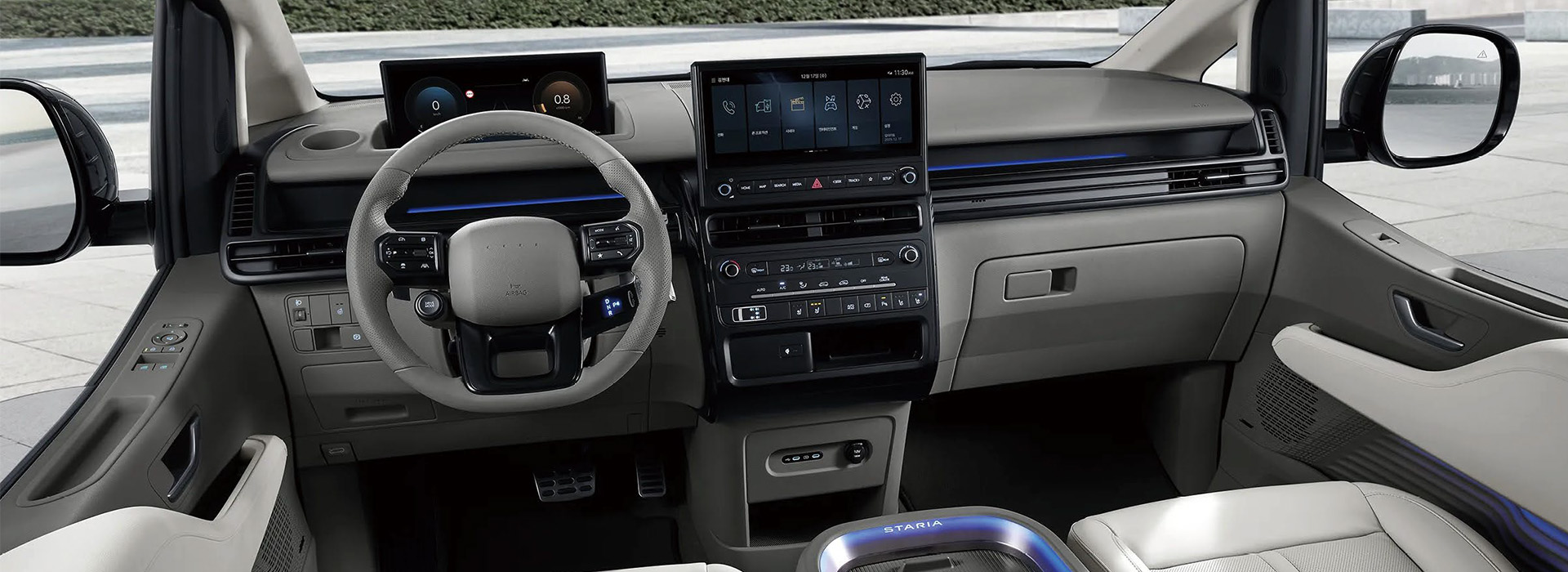
Damian points to the four-spoke leather steering wheel and steering wheel drive mode button as examples of how the cabin has evolved, saying it “feels more like a passenger vehicle than a van”.
It’s an observation echoed by Michael Walsh, our State Manager, Client Relationships in WA:
"The STARIA Load is comfortable, has good ergonomics, with tech and safety all rating very highly. It feels more like an SUV than a van."
Bryce noticed much the same from the driving experience itself:
"The biggest difference compared with a traditional commercial van is how car-like it feels to drive. The hybrid powertrain is smooth, quiet and refined, particularly in urban stop-start traffic."
For drivers spending hours on the road each day, those details add up. Comfort, visibility, ergonomics and refinement can make a meaningful difference over the course of the working day.
Technology that supports productivity
Beyond efficiency and comfort, Hyundai has focused on everyday fleet usability.
Damian points to several practical upgrades that will appeal to operators.
"The new key fob and remote start is a huge upgrade for day-to-day usability, especially not needing to shut off the engine to open the rear or side doors."
Other thoughtful additions include:
- Door handle courtesy lights
- Central locking from both front doors
- Flexible centre-console storage
- Driver & passenger overheard storage
- Front automatic climate control
- Hyundai Bluelink connected vehicle services
For fleets, Bluelink adds another layer of everyday functionality. Remote diagnostics, vehicle tracking, remote lock and unlock, and remote start can all help make managing vehicles across a business simpler. Or, as Damian puts it:
"Remote diagnostics, vehicle tracking, remote lock/unlock and remote start are the kinds of features that save time and headaches across an entire business."
The STARIA Load also supports wireless Apple CarPlay and Android Auto through its 12.3-inch multimedia display.
Another practical innovation unique to the hybrid variant is the 12V battery protection system, designed to prevent complete battery discharge by automatically cutting unnecessary power draw. It's the type of feature fleet operators may never notice, until it saves them from unnecessary downtime.
Safety remains a priority
For a vehicle that forms part of someone’s working day, safety remains fundamental.
The STARIA Load features Hyundai's SmartSense safety suite, including:
- Lane Keeping Assist
- Lane Following Assist
- Forward Collision Avoidance Assist
- Blind Spot Collision Avoidance Assist
- Rear Cross Traffic Collision Avoidance Assist
- Driver Attention Warning
- Smart Cruise Control
- Highway Driving Assist (Premium variant)
The STARIA Load Hybrid also carries a five-star ANCAP safety rating and includes seven airbags across the range.
For Damian, the value of these systems extends beyond the technology itself:
"Lane keeping, forward collision avoidance and blind spot monitoring are all the things that reduce fatigue and protect both the driver and the business."
A practical path forward
The move towards lower-emission fleets doesn’t have to follow a single path. For Bryce, a staged approach can give organisations the flexibility to introduce different technologies where they make the most operational sense:
"For many fleets, a staged transition approach is proving most effective, with EVs deployed in suitable metropolitan applications and hybrid vehicles providing a practical solution where flexibility, range or charging access remain key operational considerations."
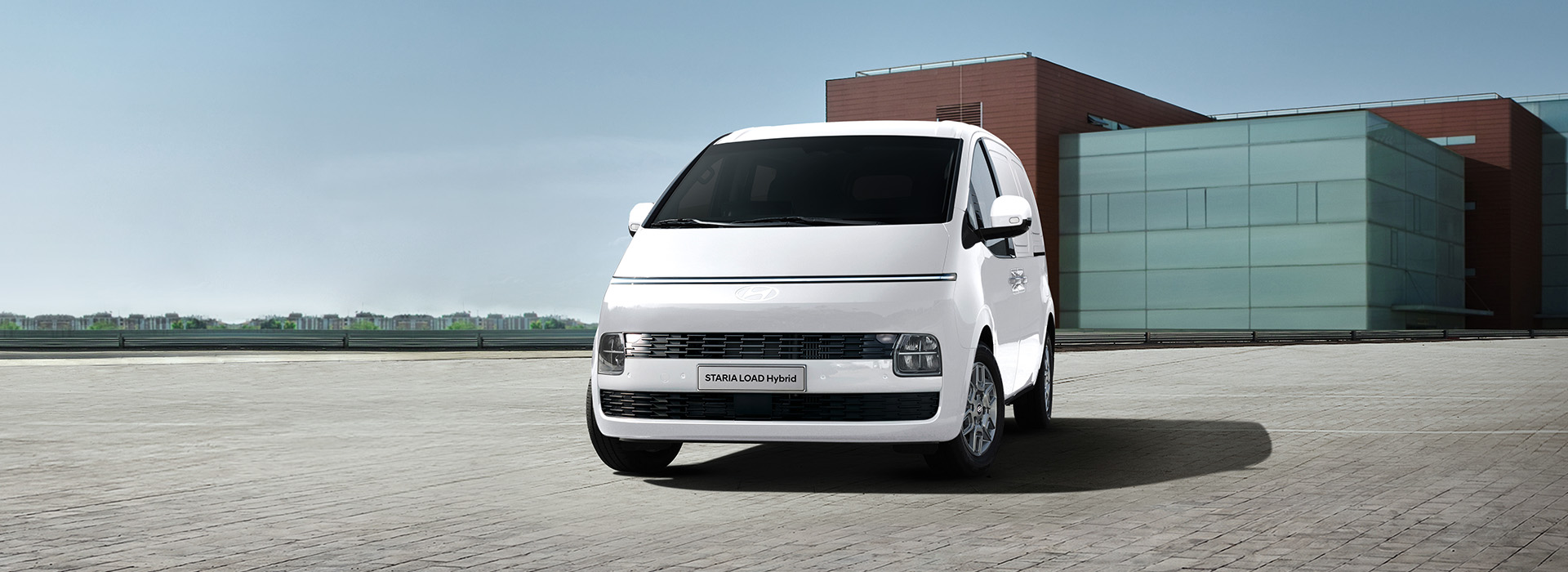
The Hyundai STARIA Load Hybrid reflects that philosophy perfectly. It brings improved efficiency and lower emissions together with the space, practicality, technology, advanced safety and driver experience businesses already expect from a working van.
For organisations looking to reduce operating costs and progress towards lower-emission mobility, without fundamentally changing how they operate, the STARIA Load Hybrid may be one of the most practical solutions currently available.
Looking to upgrade your fleet?
Speak with one of our fleet specialists to explore the right vehicles, pricing and solutions for your business.
Learn more