


The road to electrification isn't one-size-fits-all
By SG Fleet | 11 June 2026
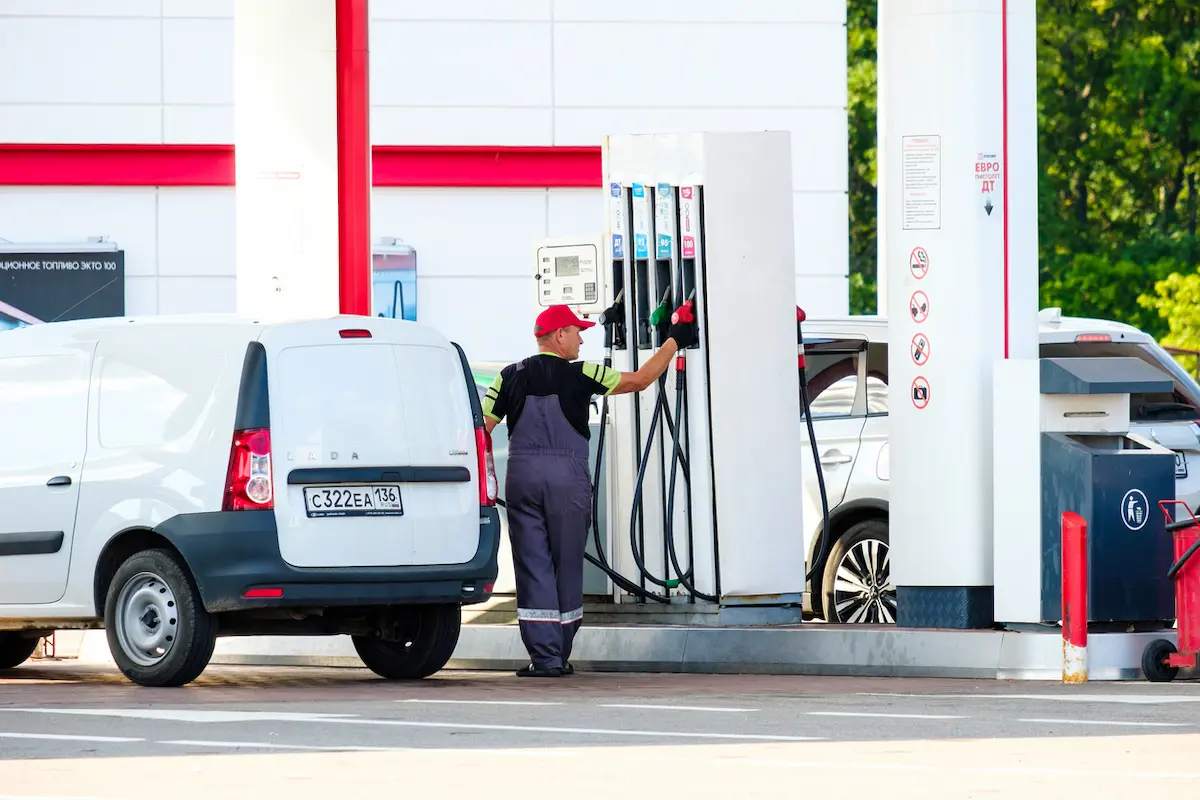
Fuel has always been one of the most variable costs in running a fleet, but recent volatility has pushed it firmly into focus for businesses.
For operations and procurement teams, that pressure is prompting a broader rethink. It’s about managing fuel spend day-to-day, while also reassessing vehicle mix, utilisation and long-term mobility planning.
From fuel pressure to fleet strategy
In the face of rising and unpredictable fuel costs, organisations like ours have taken immediate steps to help customers expand fuel card access, increase fuel limits and ensure drivers can fill up wherever supply is available.
At the same time, we’re also noticing how businesses are looking at how their fleets are structured more broadly; including how vehicles are used, where efficiencies can be gained, and how to reduce exposure to ongoing cost volatility.
That’s where the conversation is beginning to overlap with lower-emission vehicles.
Where EVs fit, and where they don’t (yet)
Electric vehicle (EV) adoption in Australia is accelerating, supported in part by policies like the Electric Car Discount Fringe Benefits Tax (FBT) exemption which has helped make EVs more accessible, particularly through employee benefit programs.
For many tool-of-trade fleets however, full electrification isn’t a simple or immediate switch.
Operational requirements still dictate decision-making. For vehicles travelling long distances, carrying heavy loads or operating in regional areas, internal combustion and diesel vehicles remain essential.
Hybrid vehicles continue to play a key role here, offering improved fuel efficiency without the need for charging infrastructure. In parallel, businesses simultaneously focus on optimising their existing fleet by reducing idle time, reviewing vehicle usage and consolidating trips where possible, providing a practical way to reduce fuel consumption.
What’s notable is that there’s no single approach. For some organisations, it’s about introducing EVs into specific parts of the fleet. For others, it's about leveraging hybrid technology or improving efficiency across existing vehicles. In many cases, it’s a combination of all three.
The role of leasing in accelerating uptake
One of the biggest enablers in the transition to EVs is how they are financed and delivered through employee benefit solutions. Leasing models such as novated leasing help reduce upfront cost barriers and improve affordability.
At SG Fleet, we’ve seen demand for EVs through novated leasing increase substantially over the past few years, highlighting the role policy and financing structures are playing in accelerating adoption.
We’re also seeing a clear shift in how organisations are thinking about employee benefits, with more businesses looking to offer EVs as part of their employee benefits strategy, supporting cost-of-living pressures while contributing to broader fleet transition.
What this means for your fleet
What’s emerging isn’t a single pathway to electrification, but a more deliberate approach - aligning vehicle choice, financing, and policy with day-to-day realities.
For businesses willing to take a more strategic view of novated leasing and fleet management, the opportunity is twofold: reduce exposure to volatile fuel costs today, while building a more resilient, future-ready fleet for tomorrow.