


Vans and fleet suitability: Choosing the right vehicle for the job
By SG Fleet | 08 October 2026
Insights from:
Bryce Grove | National Manager, Trade Operations NZ, SG Fleet
Craig Porter | General Manager, Commercial Fleet, Client Relationships, SG Fleet
Michael Walsh | State Manager, Client Relationships – WA, SG Fleet
Damian Prescott | Fleet Sales Manager, Hyundai
Peter Brown | Fleet Sales Manager, Kia Australia
The commercial vehicle market is evolving rapidly.
For fleet operators, choosing a van is no longer simply about payload, cargo space or purchase price. Today's decisions involve balancing productivity, driver experience, sustainability targets, operating costs and future fleet requirements.
The arrival of more hybrid and electric vehicles adds another dimension to that decision. Rather than simply replacing one commercial vehicle with another, businesses have more opportunity to consider which technology best suits the way each vehicle will actually be used. One van might cover predictable metropolitan routes each day, return to the same depot every evening and spend the night parked. Another might cover longer distances between jobs, carry a heavier load and finish its day in a different location. Both are commercial vehicles, but what you need from them can be very different.
For Bryce Grove, our National Manager, Trade Operations NZ, that means looking beyond the upfront cost and considering the vehicle’s contribution across its working life.
"The best fleet outcomes are achieved by selecting vehicles that improve productivity, support sustainability objectives, enhance driver wellbeing and minimise whole-of-life operating costs."
Start with the operational requirement, not the powertrain
Commercial vehicle expectations have shifted significantly over the past decade.
For many businesses, the conversation has moved from simply choosing a van to understanding which vehicle technology best suits their operational requirements.
Factors such as daily kilometres travelled, route predictability, vehicle utilisation, maintenance requirements, driver experience and total cost of ownership are all playing a larger role in fleet decision making.
As Craig Porter, General Manager, Commercial Fleet, Client Relationships, notes, fleet operators are increasingly looking for solutions that balance sustainability goals with operational practicality.
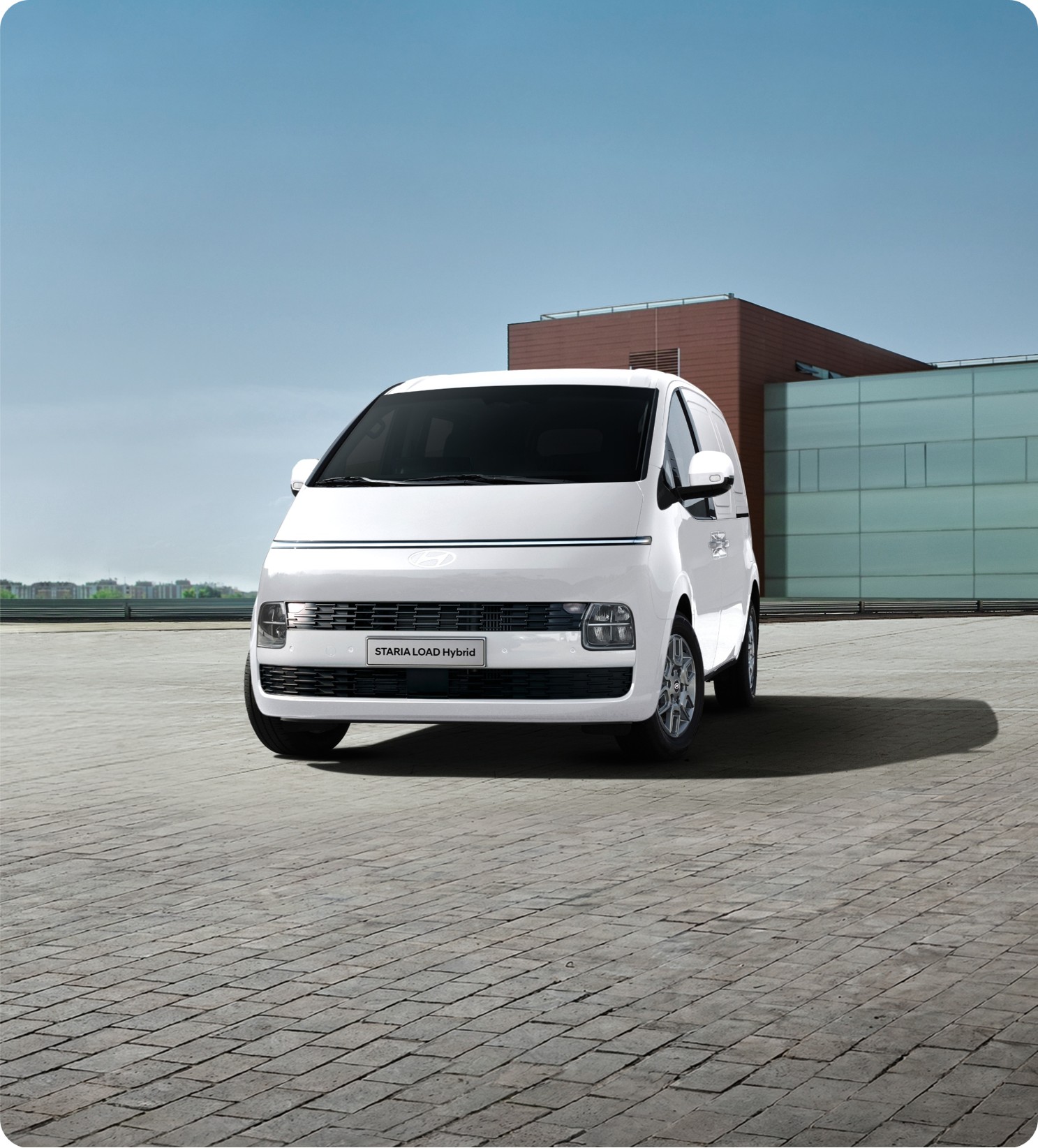
Hyundai STARIA Load Hybrid
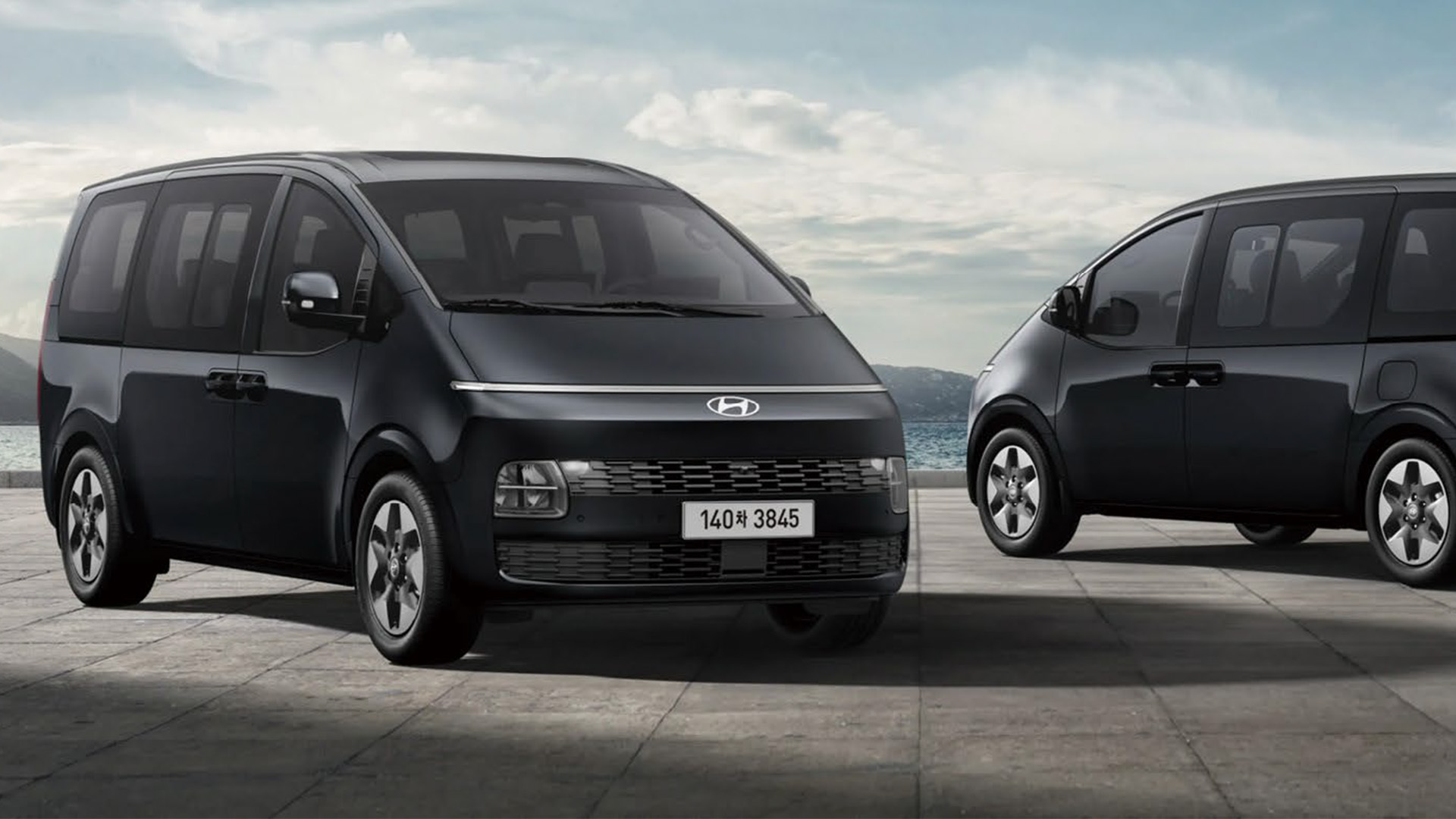
The Hyundai STARIA Load Hybrid introduces hybrid technology to an established commercial van segment while retaining the practicality businesses expect from a traditional work vehicle.
Damian Prescott, Fleet Sales Manager at Hyundai points to the driving experience as one of the differences:
"The new Hybrid drivetrain is so quiet, smooth in operation, with less noise and good fuel consumption."
For organisations looking to improve fleet efficiency without introducing charging infrastructure, that makes the STARIA Load Hybrid a compelling option. Its hybrid powertrain sits alongside the practical considerations that continue to matter in commercial fleets, including payload, safety, cargo capacity and driver comfort.
Rather than requiring a fundamental change in how a vehicle operates day to day, hybrid technology provides another option for fleets looking to evolve their vehicle mix.
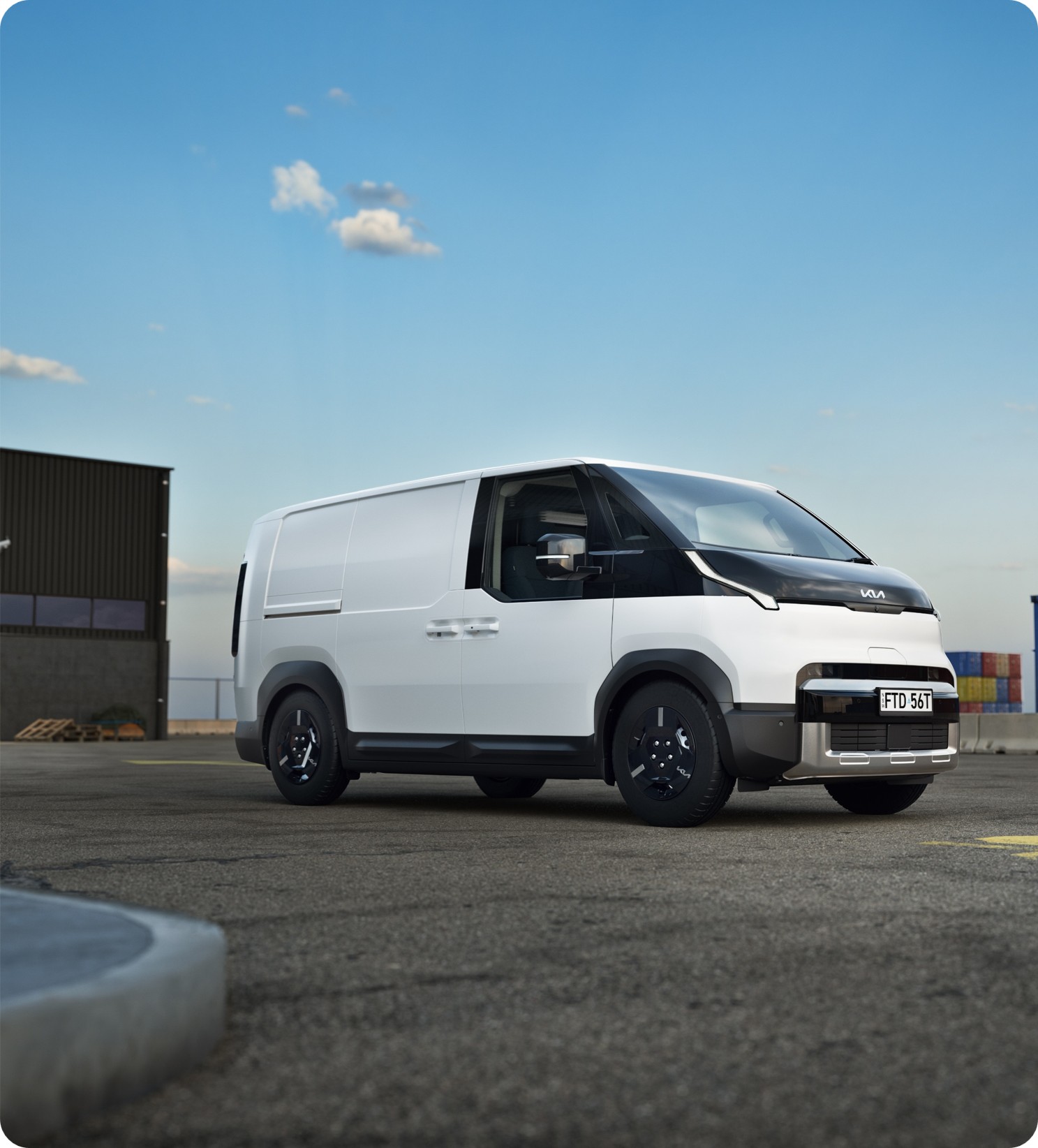
Kia PV5 Cargo Long Range
The Kia PV5 Cargo takes a different approach.
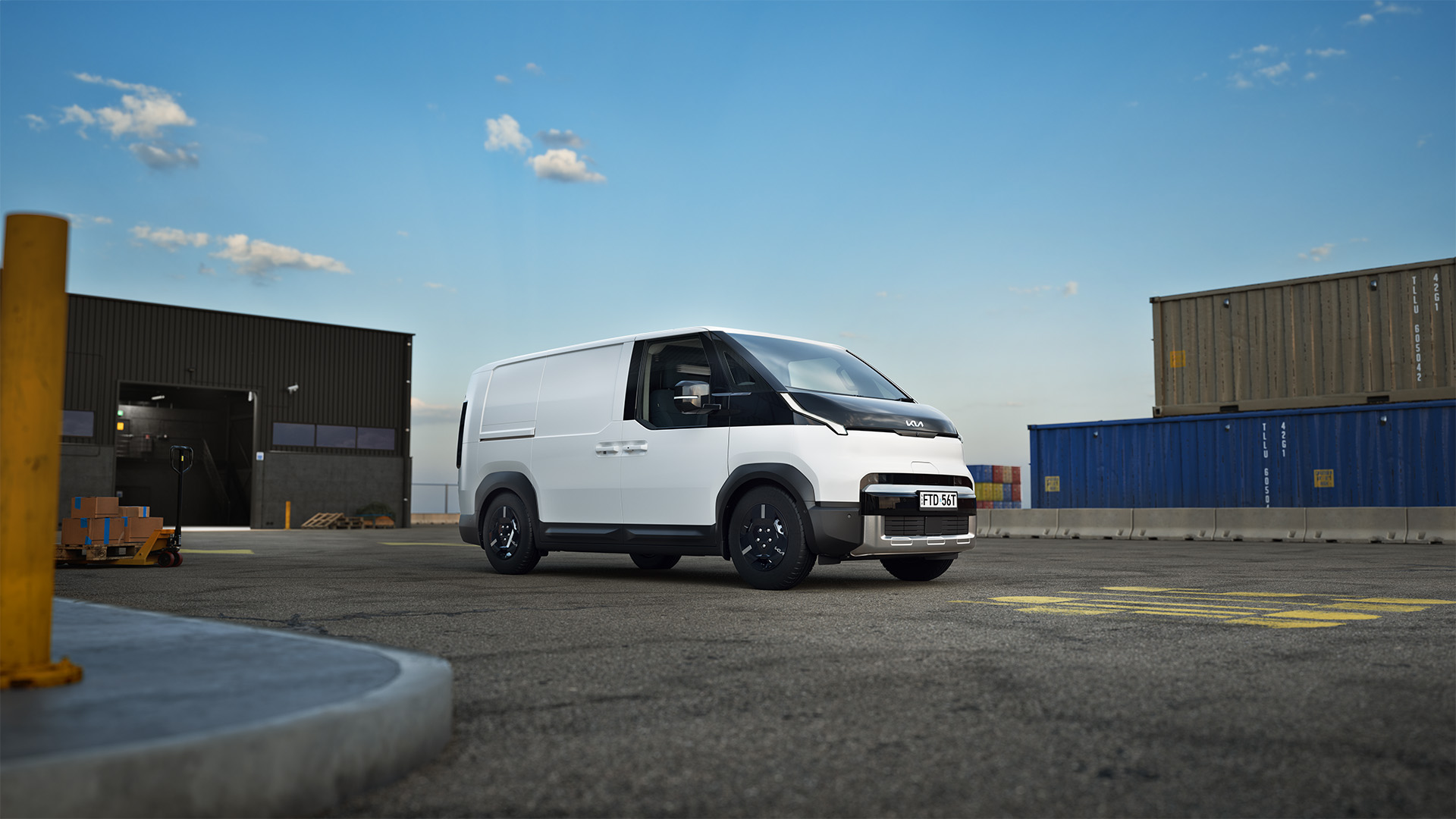
Built on Kia's dedicated Platform Beyond Vehicle (PBV) architecture, the PV5 has been designed from the ground up as a purpose-built commercial EV. Rather than adapting an established commercial vehicle to a new powertrain, Kia has used a dedicated EV platform to shape how the vehicle carries cargo, provides access to the load area and supports different working requirements.
Peter Brown, Fleet Sales Manager at Kia Australia, describes the PV5 as "the right vehicle at the right time."
Predictable metropolitan routes and return-to-base operating models can make charging easier to plan, while features such as fast charging, vehicle-to-load (V2L) capability and advanced connected technology position it as a practical choice for businesses ready to embrace electrification.
The right van depends on the job
Taken together, the STARIA Load Hybrid and PV5 Cargo point to a broader shift taking place in fleet decision making. As more powertrains and commercial vehicles enter the market, fleet operators have more opportunity to be selective about where different vehicles make sense.
For example, a trade business covering large and varied geographic areas may find a hybrid solution provides the flexibility required for day-to-day operations. A metropolitan fleet with predictable routes may find that a dedicated EV fits naturally into its operating model. Across a larger or more diverse fleet, there may be a role for both.
Success comes from understanding operational requirements first, then aligning technology to those needs.
At SG Fleet, we help organisations bring these considerations together by assessing utilisation patterns, sustainability goals, driver requirements and whole-of-life costs to identify the right solution for each fleet.
Because in a commercial vehicle market offering more choice than ever, success isn't about finding the best van on paper. It's about choosing the right van for the job.
Explore the vehicles
The following fleet reviews take a closer look at the Hyundai STARIA Load Hybrid and Kia PV5 Cargo Long Range, drawing on insights from leading experts across SG Fleet, Hyundai and Kia to explore how each vehicle performs and where it could fit within today’s fleet landscape.
Looking to upgrade your fleet?
Speak with one of our fleet specialists to explore the right vehicles, pricing and solutions for your business.
Learn more