

What the election could mean for your fleet
By SG Fleet | 06 November 2026
Author: Richard Edwards
New Zealand votes on Saturday 7 November. If you run a fleet, a handful of the policies on the table will affect what your vehicles cost to own, tax and run over the next few years. Here's where each of the main parties stands, based on what they've published or said publicly.
Fringe benefit tax
A bill introduced on 10 September could overhaul fringe benefit tax (FBT) on employer-provided vehicles from 1 April 2027. Of everything here, it's the change most likely to land on fleets.
FBT is the tax employers pay when staff can use a work vehicle privately. Under the bill, each vehicle would go into one of six categories based on how much private use it's allowed, and each category has a fixed rate. That replaces logbooks and day counting.
The bill could also:
- Value EVs at 17% of cost a year and hybrids, including plug-ins, at 19.6%, while petrol and diesel vehicles stay at 20%
- Remove the work-related vehicle exemption that sign-written double-cab utes have relied on
- Require vehicles bought or leased from 10 September to be branded to qualify for some of the lower categories
- Lift the weight limit for FBT purposes from 3,500kg to 6,000kg
The bill is at select committee and could still change. Its passage rests with the next Parliament.
Opportunity would go further for EVs, with full accelerated depreciation and a two-year FBT exemption for new EVs bought by businesses. "Business fleets are the fastest way to build a stronger second-hand EV market in New Zealand," the party says.
The Greens' manifesto includes tax incentives for EVs. Labour, NZ First, ACT and Te Pāti Māori have not published a position on the reforms.
Road user charges
Diesel vehicles and EVs already pay road user charges (RUC) by the kilometre, while petrol vehicles, including hybrids, pay fuel excise at the pump. The Government expects to pass legislation modernising the RUC system this year, with private providers able to offer RUC services from 2027. No date has been set for moving petrol and hybrid vehicles onto RUC. Official figures show hybrid owners would pay considerably more under RUC than they do through fuel excise.
- National and ACT committed in their coalition agreement to replace fuel excise with electronic road user charging for all vehicles. National says vehicles would pay by distance and weight rather than fuel type.
- Labour leader Chris Hipkins has called the move to RUC inevitable but has raised concerns about its timing. Labour's three-year freeze on fuel excise also covers RUC rates.
- The Greens support a user-pays approach, with charges reflecting each vehicle's road maintenance costs.
- Opportunity leader Qiulae Wong says the funding model has to change as fuel tax becomes a less reliable source of revenue.
- NZ First proposed a select committee inquiry into replacing fuel excise with RUC at the 2023 election but has not published an updated position.
- Te Pāti Māori has no published policy on RUC.
Fuel tax
The Government has cancelled the 12c a litre fuel excise increase that was due on 1 January 2027, along with the matching RUC increase. The next fuel excise rise is now 5c from 1 January 2028, followed by 20c in four steps to mid-2029 and a further 5c in January 2030, with RUC rising in line.
- Labour would freeze fuel excise and RUC for three years. It would also require the Commerce Commission to report weekly on fuel prices and has pledged to ban price gouging.
- NZ First would remove the Emissions Trading Scheme charge from petrol and diesel, which it says would cut prices by 12 to 14c a litre.
- ACT would ring-fence road maintenance funding so it can't be used to cover cost overruns on new projects.
- The Greens' response to fuel prices centres on public transport, with free fares for some groups and a $2 cap for everyone else.
- Opportunity has questioned the freeze proposals, saying the trade-offs in funding need to be faced.
- Te Pāti Māori backs cost-of-living relief, including transport affordability, but has not set out a mechanism.

Vehicle supply and emissions rules
The Clean Vehicle Standard sets CO2 targets for importers, which shapes which models come into the country and at what price. Cabinet confirmed on 21 August that it would keep the standard for new and used imports, with separate targets for used vehicles. New targets take effect from 1 January 2028.
- National kept the standard following the review. Transport minister Chris Bishop says the review found it was "the most cost-effective way to increase the availability of lower-emissions vehicles in New Zealand".
- ACT would scrap any emissions, testing or age rule that reduces the supply of affordable vehicles, pushes up prices or keeps older cars on the road longer.
- The Greens opposed scrapping the standard when that option was under review in March.
- Labour introduced the standard in 2023 but has not published a position on the 2028 targets. Nor have NZ First, Opportunity or Te Pāti Māori.
The Clean Car Discount, which charged fees on high-emission imports to fund rebates on low-emission models, ended in 2023. Hipkins ruled out bringing it back on 17 August. The Greens are the only party proposing a fee and rebate scheme, which is in their manifesto.
Leasing an EV through salary
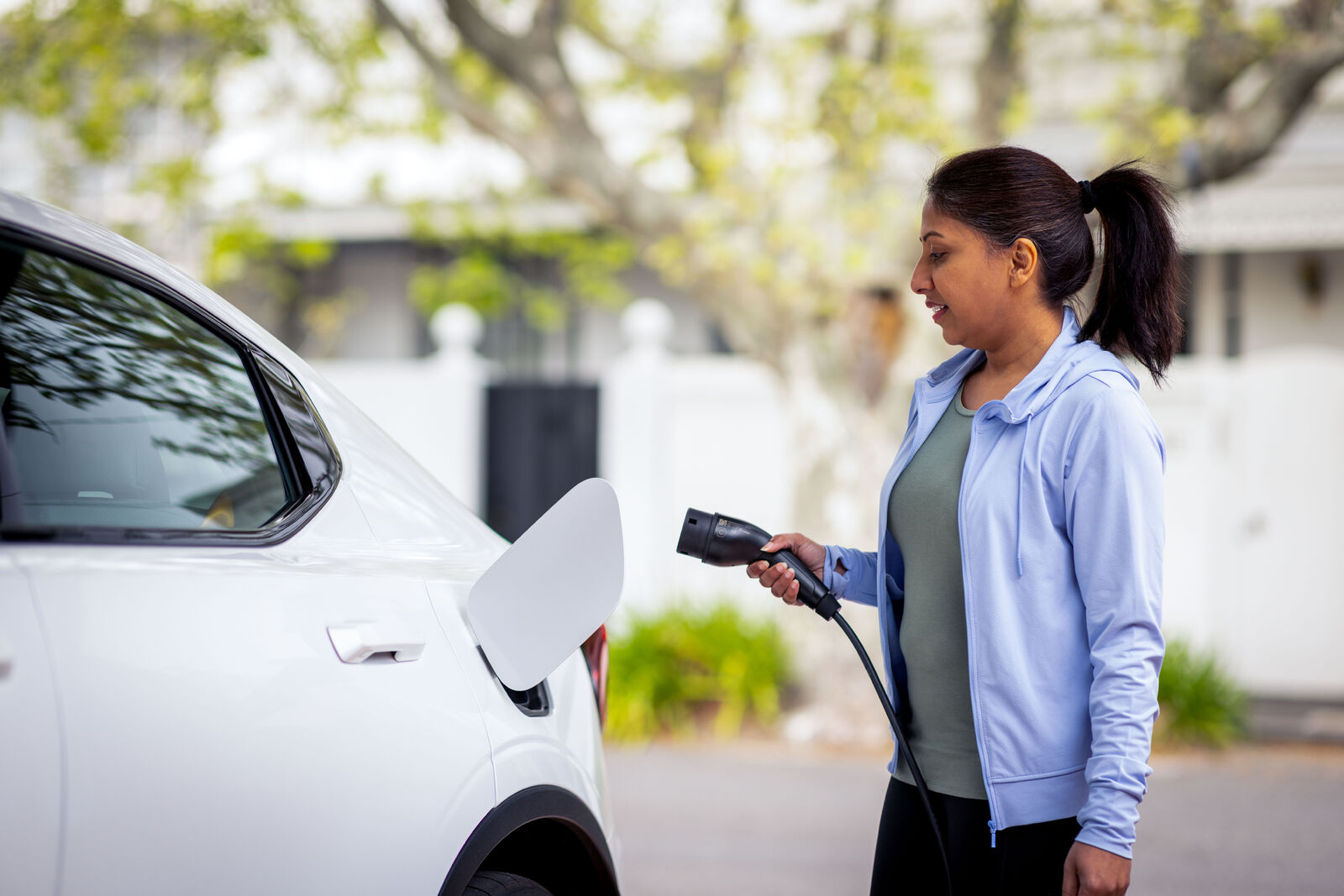
Rewiring Aotearoa and Drive Electric want the next government to assess an EV Salary Boost within its first 100 days. Employees would lease a new or used EV for three to five years with payments taken from their pay before tax, similar to novated leasing in Australia. The assessment would cover how the scheme would work for PAYE, FBT and GST, and what happens to a lease when someone changes jobs.
Asked about it by RNZ, National pointed to its target of 10,000 public chargers by 2030 and funding for cleaner heavy vehicles. Labour pointed to its plans to strengthen clean car emissions standards and expand charging. Neither said directly whether it would back the proposal.
Drive Electric says National, Labour, the Greens and Opportunity answered its election questions on vehicle supply, affordability, charging, freight and electricity, and has published their full responses.
Imports and servicing
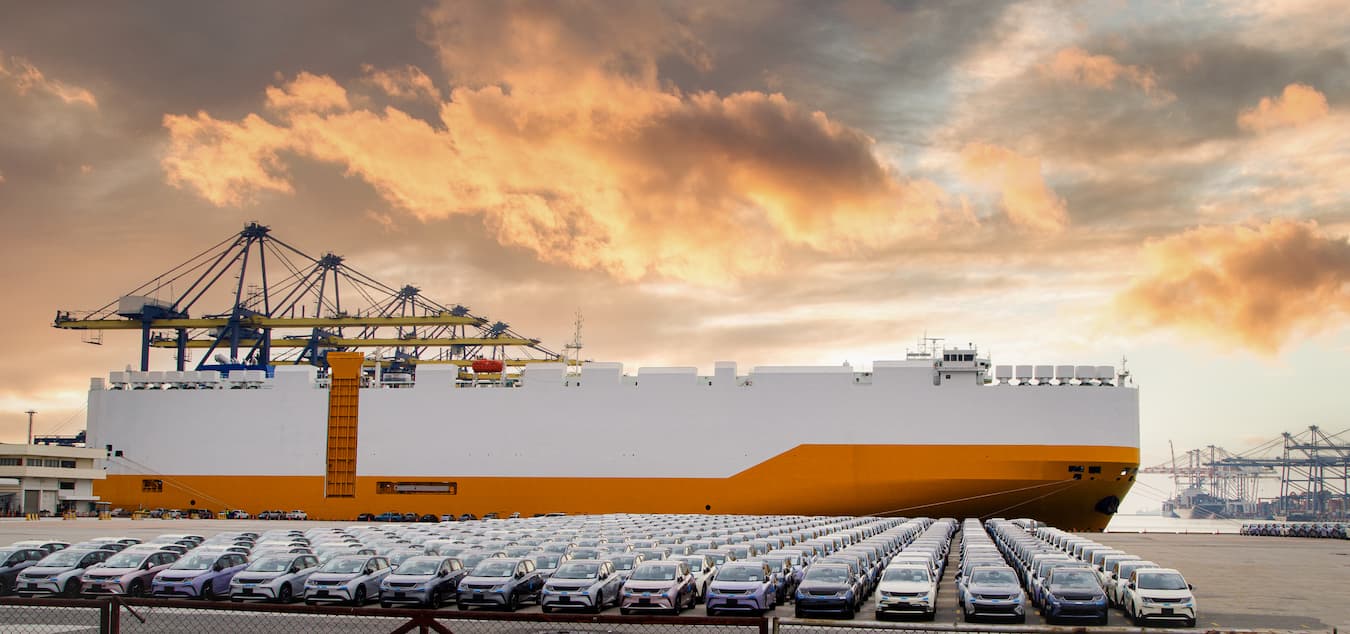
The Government decided this year not to make automatic emergency braking and other safety technology compulsory on new and used imports. ACT opposes age limits on used imports. The Motor Trade Association's election manifesto calls for a maximum age of 10 years for used imports by 2030. The Greens' manifesto includes a future phase-out date for fossil-fuel vehicle imports. Labour, NZ First, Opportunity and Te Pāti Māori have not published policies on import rules.
Labour would introduce a right to repair law, requiring vehicle makers to give independent mechanics access to repair information, software and tools. No other party has published a policy on it.

What you can do now
If you're reading this after 7 November, don't worry, putting a government together takes a while (in 2023 it was six weeks from election day to swearing-in) and working out where the new one stands on fleet issues can take a good deal longer. In the meantime, a few things are worth doing whatever the result:
- Review what you've bought since 10 September. If the FBT bill passes as written, vehicles bought or leased from that date need branding to qualify for some of the lower categories.
- Map your fleet against the six proposed FBT categories so you know where each vehicle would sit from 1 April 2027 and keep an eye on changes at select committee.
- Build RUC into whole-of-life costs for petrol and hybrid vehicles. No date is set, but the move has support across the main parties, and hybrids are expected to pay more under RUC than they do now.
- Plan fuel budgets on today's prices. Excise won't rise before 2028 under the Government's current plan, and Labour would freeze it for three years.
- If you offer vehicles as part of salary packages, watch for any assessment of the EV Salary Boost in the new government's first 100 days.
This article was written for SG Fleet by automotive journalist Richard Edwards, publisher of Autotalk.
Looking to upgrade your fleet?
Speak with one of our fleet specialists to explore the right vehicles, pricing and solutions for your business.
Learn more