







Are EVs cheaper to maintain than a diesel fleet?
By SG Fleet | 25 November 2026

Maintenance is one of the trickiest fleet costs to forecast, which is partly why some fleet decision-makers still expect electric vehicles to push it up.
The UK data tells a different story.
If you're weighing up whether EVs are cheaper to maintain than a diesel fleet, the answer is yes for scheduled servicing, with one key cost that needs a closer eye: tyres.
To make things easier for you, we look at the figures at fleet scale, across cars and vans, and what they mean for whole-life planning, whether you run vehicles through fleet management and leasing or are mapping out a switch with eStart.
At a glance:
- UK data shows EVs cost around 29% less to service than petrol, diesel and hybrid cars over five years.
- That gap is worth roughly £1,700 per car, or more than £84,000 across a 50-car fleet.
- Tyres are the exception, as EV tyres cost more and need replacing sooner.
- Electric vans drop many diesel jobs, including oil changes, clutch work and exhaust aftertreatment.
- The biggest savings come from planning the switch around real usage and lease end dates.
Want to map your maintenance savings before you switch to EVs?
The servicing savings are real, but how much you save depends on the vehicles you choose and how they're used. eStart builds a transition plan around your own fleet data, or you can talk to our team about your current costs.
What UK data says about electric vehicle fleet maintenance costs
The Car Expert and Clear Vehicle Data analysed official manufacturer servicing costs for more than 600 new and near-new cars in 2025. EVs came out roughly 29% cheaper to service over the first five years, and the electric model was cheaper in 53 of 56 like-for-like comparisons.
Over five years, servicing averaged £4,022 for an EV against £5,709 for a petrol, diesel or hybrid car.
Two caveats are worth bearing in mind if you're modelling a fleet:
- Diesel is grouped with petrol and hybrid rather than reported separately.
- The figures also exclude tyres and brake pads, so they cover scheduled servicing only.
Why do electric fleets cost less to service?
The simple answer is that there's less on an EV that needs looking after.
Electric cars and vans don’t need engine oil changes, and they have no clutch and no exhaust system. This means diesel particulate filters, EGR valves and AdBlue top-ups come off the schedule entirely. Regenerative braking also reduces brake wear because the motor does a lot of the slowing. You can find out more by reading our guide to understanding electric vehicles, which explains how the drivetrain works in more detail.
Lighter schedules help with downtime too.
Data shows the average fleet car or van spent 1.58 days off the road per workshop visit in September 2026, so every job you take off the schedule gives you productive days back. Service-scheduling reporting in Fleetintelligence makes these patterns easier to spot across a mixed fleet.
The one cost that rises is EV tyres.
Tyres are the one area where EVs tend to cost more, and the fleet data backs this up too. The average EV tyre cost £246 against £187 for a petrol or diesel car, a 32% premium. EVs also needed their first tyre change at an average of 14,352 miles, compared with 18,333 miles for combustion cars.
The reasons are fairly straightforward.
EVs are heavier because of their battery packs and deliver torque instantly, and both speed up tread wear. EV-specific tyres, regular pressure checks and smoother driving all help. It's also worth giving tyres their own budget line so they don't get lost inside wider SMR costs.
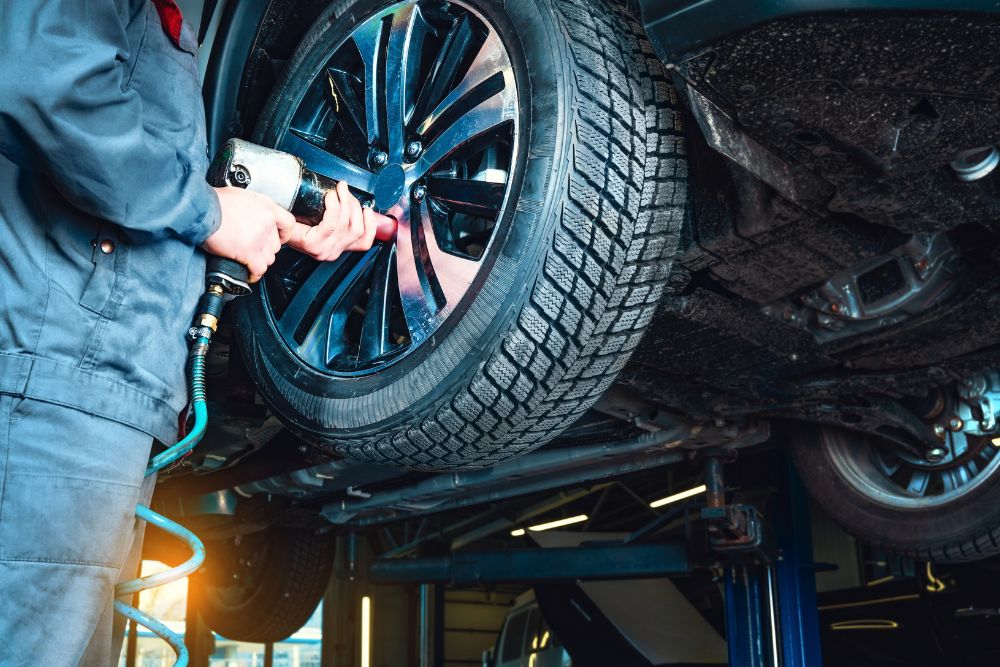
Electric van servicing costs for business fleets
It's a similar picture for vans. Electric vans generally cost less to service than diesel equivalents, although the size of the gap varies by model, duty cycle and driver behaviour, and battery weight can increase tyre wear on some models.
Independent van datasets are still smaller than car data, so it’s best to treat published averages as a starting point rather than anything too concrete. To see how the numbers play out in your own operation, try a few electric vans on short lease and rental before committing to a whole replacement cycle.
What does this mean for the EV fleet's total cost of ownership?
To put that in context, take a theoretical fleet of 50 cars over five years.
Using the averages above, scheduled servicing would come to around £201,100 for the EVs against £285,450 for combustion cars, a saving of £84,350.
If each combustion car then needed eight replacement tyres and each EV ten (which is our assumption, based on Epyx's tyre prices and wear gap), tyres would add roughly £48,200 to the electric fleet's costs.
That leaves a net saving of about £36,150, or £723 per vehicle.
While these figures are illustrative only, and negotiated fleet rates, mileage and brake savings (which would add to the EV advantage) will all move the numbers, they paint a picture of what realistic fleet savings could look like.
Maintenance sits alongside energy, depreciation and tax in whole-life cost, and it's often the part people misjudge. Build EV tyre costs in separately, use maintenance cover to fix your SMR spend and time each switch to existing lease end dates so you avoid early termination costs.
If you'd like the driver's view of running costs, our earlier post Are electric cars expensive? covers it.

Find the right route to an electric fleet with an expert partner
SG Fleet has helped UK businesses keep fleet costs under control for over 25 years and manages around 18,000 vehicles.
Our award-winning eStart service plans your EV transition around existing lease end dates and real usage, so each vehicle switches when the numbers work. With our fleet management and leasing, maintenance cover and downtime management keep SMR costs predictable and your vehicles on the road.
See why fleets choose us or get in touch, and we'll review your maintenance spend with you.
FAQs
Are EVs cheaper to maintain than a diesel fleet?
Yes, for scheduled servicing. UK analysis of more than 600 cars found EVs around 29% cheaper to service over five years than petrol, diesel and hybrid models. Tyres cost more on EVs, so the net saving at fleet level is smaller than the servicing figures alone suggest.
Do electric cars wear out tyres faster?
Yes, on average. Fleet data from Epyx shows EVs needing their first tyre change at about 14,352 miles, against 18,333 miles for combustion cars. Battery weight and instant torque are the main causes.
Are electric vans cheaper to service than diesel vans?
Generally, yes. Electric vans avoid oil changes, clutch replacements and exhaust aftertreatment such as DPFs and AdBlue, and regenerative braking reduces brake wear. Savings vary by model and duty cycle, so trialling a few vans in your own operation gives you the clearest picture.